10 Cultural Truths About Kigali You Should Know Before Visiting
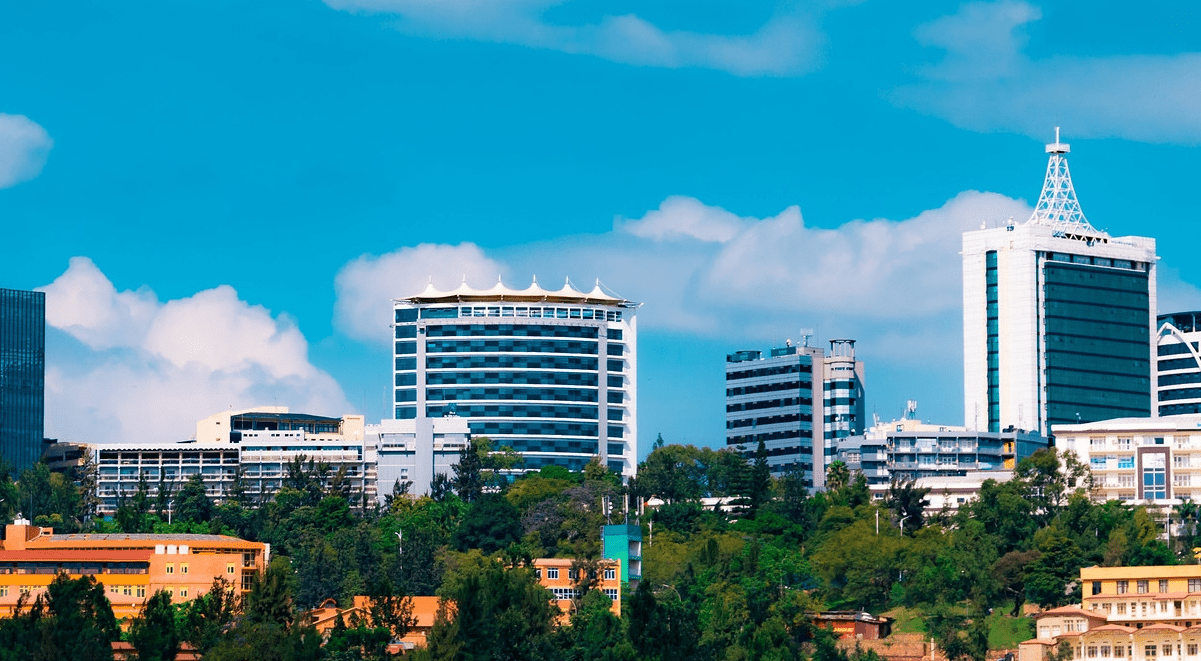
When travelers visit Kigali, they’re often amazed by how clean, organized, and welcoming the city feels. But beyond the modern skyline and peaceful streets lies a deeper cultural heartbeat that guidebooks rarely explain. If you’re planning a trip to Rwanda’s capital, this is your chance to look beyond the surface.
1. Umuganda Isn’t Just a Cleanup, It’s Community in Action
On the last Saturday of every month, Kigali slows down in a unique and powerful way. This is Umuganda, a nationwide day of community service where citizens come together to clean streets, plant trees, repair roads, and improve shared spaces.
Shops close, traffic pauses, and neighborhoods work side by side. Umuganda reflects a deep belief that progress is collective, not individual.
Tip: Avoid planning activities during Umuganda hours. Observing or joining is one of the most authentic ways to connect with local life.
2. “Time” Works Differently Here
Kigali may appear busy, but daily life moves at a calmer, more intentional pace. While punctuality is respected in professional settings, social gatherings often follow a relaxed rhythm.
It’s not about being late , it’s about being present, respectful, and fully engaged when you arrive.
3. Silence Can Mean Respect
In Kigali, silence is not awkward. It often signals reflection, politeness, or deep listening. Conversations tend to be calm and thoughtful rather than loud or rushed.
Visitors sometimes mistake this quietness for distance, but in reality, it’s a sign of mutual respect.
4. Cleanliness Isn’t Just Policy, It’s Pride
Kigali’s cleanliness goes far beyond plastic bans and regulations. For many Rwandans, keeping surroundings clean reflects dignity, discipline, and national pride.
Littering is deeply frowned upon , not out of fear, but because it simply feels wrong.
5. Greetings Go Beyond “Hello”
Greetings in Kigali are intentional and meaningful. A handshake may include a gentle touch to the elbow, a warm smile, or even a brief hug.
It’s common to ask about someone’s family or well-being before jumping into business. Taking time to greet properly sets the tone for respectful interaction.
6. Dress Is Subtle but Speaks Volumes
People in Kigali tend to dress neatly and modestly, even in casual settings. Appearance is viewed as a reflection of self-respect and awareness of others.
Visitors don’t need formal clothing, but smart-casual outfits are always appreciated.
7. Kinyarwanda Is Poetic and Deeply Expressive
While English and French are widely spoken, Kinyarwanda carries layers of meaning that shape daily life. Proverbs are often used to express wisdom, humor, or gentle advice.
Example: “Ak’imuhana kaza imvura ihise” , help that comes too late is like rain after the harvest.
8. Food Is Shared, Not Just Served
Meals in Kigali are about connection. It’s common to share plates, eat together, and invite others to join , even strangers.
Try dishes like isombe, ibitoke, and brochettes, and don’t forget to say “Murakoze”.
9. Respect for Elders Is Woven Into Daily Life
Elders are deeply respected in Kigali. This shows in greetings, body language, and everyday gestures like offering a seat or listening attentively.
Respect is not taught loudly , it’s lived quietly.
10. The City’s Quiet Is Intentional
Kigali’s calm atmosphere is a collective choice. Drivers rarely honk, vendors don’t shout, and nightlife stays lively without chaos.
Peace here is not accidental , it’s a shared value.
Kigali may be modern and fast-growing, but its cultural roots run deep. The longer you stay, the more you notice the quiet rituals, shared values, and unspoken respect shaping daily life. The soul of Rwanda’s capital city isn’t just seen , it’s felt.