Best Time to Visit Rwanda 2026: Month-by-Month Guide for Every Traveler

by Aline U
0 comments
When is the Best Time to Visit Rwanda? (Complete Guide for Your Rwanda Trip)
Best Time to Visit Rwanda 2026: Month-by-Month Guide for Every Traveler
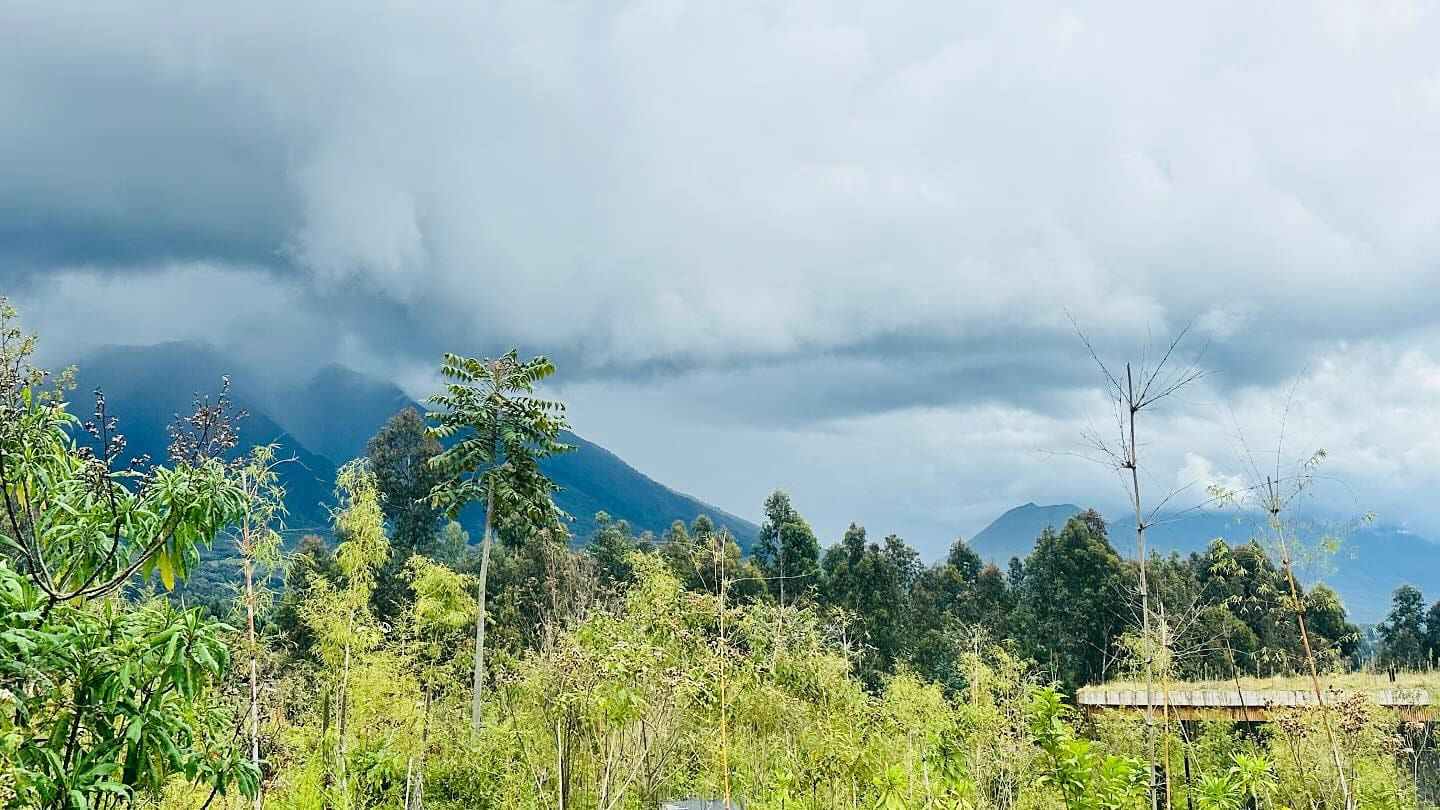
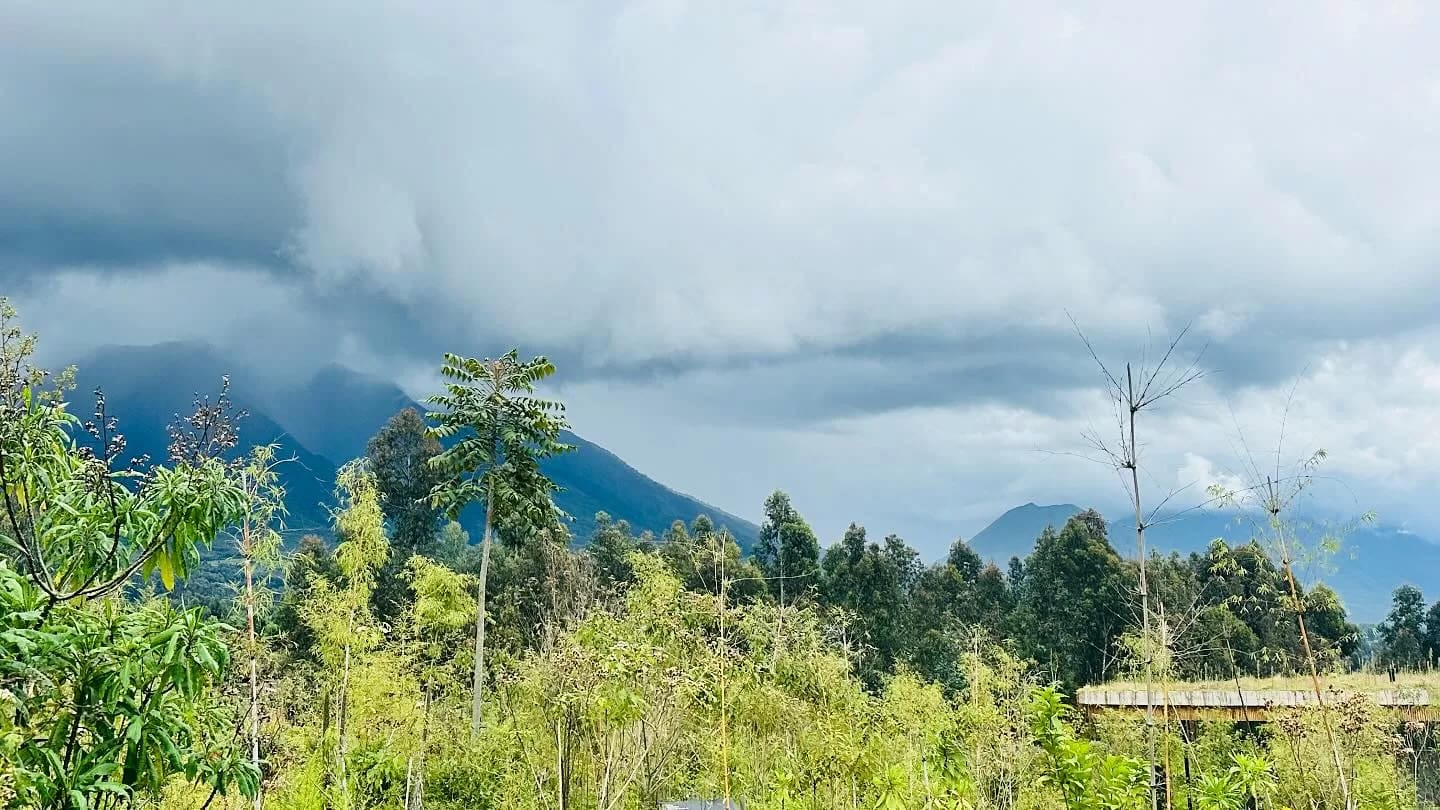
Volcanoes National Park Rwanda — mountain gorillas in the misty Virunga mountains, Best Time to Visit Rwanda
Travel Planning

Best Time to Visit Rwanda 2026: Month-by-Month Guide for Every Traveler

Updated April 2026  ·  16 min read  ·  By RwandaTrip Editorial Team

Rwanda is one of Africa’s most rewarding destinations year-round — but timing your visit correctly can be the difference between a good trip and an extraordinary one. Whether you’re planning a gorilla trek in Volcanoes National Park, a safari in Akagera, a forest adventure in Nyungwe, a Lake Kivu escape, or simply a few days in Kigali, the season shapes everything: trail conditions, wildlife visibility, permit availability, accommodation prices, and the mood of the country itself. This complete guide breaks down the best time to visit Rwanda month by month — with honest assessments of every season, every activity, and every traveler type.

2
Dry seasons per year
Jun–Sep
Best overall season
15–27°C
Year-round temperature range
Year-round
Gorilla trekking possible

Understanding Rwanda’s Seasons

Rwanda sits just south of the equator, so it does not experience the sharp hot/cold seasonal shifts familiar to temperate regions. Instead, the country alternates between two dry seasons and two rainy seasons across the calendar year, with temperatures remaining relatively stable throughout — typically between 15°C and 27°C (59°F and 81°F) depending on altitude and region.

What changes between seasons is rainfall, trail condition, vegetation density, and tourist volume — all of which significantly affect the experience of specific activities. Rwanda’s high altitude (Kigali sits at 1,567m; Volcanoes National Park at 2,500–4,500m) keeps temperatures moderate and evenings cool even at the height of the dry season. Pack layers regardless of when you travel.

Rwanda’s four seasons at a glance: Long dry season (June–September) · Short dry season (December–February) · Long rainy season (March–May) · Short rainy season (October–November). Each season has genuinely compelling reasons to visit — none should be written off entirely. What changes is what you prioritize.
☀️
Best Overall Season · Peak Tourism · June–September

June – September: Long Dry Season

The long dry season from June to September is widely considered the best time to visit Rwanda and the period when the country is at its most accessible and most rewarding for almost every type of activity. Skies are clear, trails are dry, mountain views are crisp, and the combination of comfortable temperatures, excellent wildlife visibility, and reliable conditions makes this the season that sells out fastest.

For gorilla trekking, this is the peak window. The steep volcanic forest trails in Volcanoes National Park are firm and navigable rather than slippery and muddy. Vegetation in the forest is not at its fullest density, meaning gorillas can be seen more clearly once found. Temperatures during the trek — typically 15–20°C at altitude — are comfortable rather than exhaustingly hot. The mornings are crisp and bright, and on clear days the Virunga volcano summits are visible for miles.

In Akagera National Park to the east, the dry season concentrates wildlife around water sources, making game drives significantly more productive than in the rainy season when animals disperse widely across the savannah. Elephant herds, lion prides, and giraffe are all more reliably spotted. Birdwatching in all parks is excellent, with many species in breeding plumage during June and July.

The downside of this season is predictable: it is the busiest and most expensive period to visit Rwanda. Gorilla permits sell out months in advance, particularly for July and August. Accommodation prices at premium lodges are at their peak. Kigali restaurants and popular destinations see their highest visitor volumes. Planning and booking well ahead — ideally 4–6 months in advance — is essential for a stress-free dry season visit.

Best gorilla trekking conditions Dry, firm trails Best Akagera game drives Clear mountain views Kwita Izina ceremony (Aug/Sep)
? Book gorilla permits 4–6 months ahead for July and August. These are the months with the highest permit demand globally. If you want a specific date, the Rwanda Development Board portal (rdb.rw) is the only official booking channel — do not rely on availability closer to travel dates.
?️
Excellent Alternative · Fewer Crowds · December–February

December – February: Short Dry Season

December to February is Rwanda’s second dry season — and for many travelers, it is actually a preferable window to the crowded peak months of July and August. Conditions are excellent: trails are dry, skies are clear, and wildlife viewing in all parks is very good. But the tourist volume is noticeably lower, permits are more readily available with shorter advance notice, and the experience at many sites has a more intimate, less packaged quality.

January and February in particular are among the most rewarding months to visit Rwanda for travelers who have missed the long dry season. The landscape is slightly greener than July–September (the transition from the short rains brings fresh vegetation), mornings are often spectacular with low mist in the valleys and clear peaks above, and the country has a post-holiday calm that the peak summer months lack entirely.

December requires some navigation. The first two weeks of December are genuinely excellent travel conditions. From mid-December through early January, Rwanda’s domestic tourism peaks as Rwandan families travel and schools close — certain popular sites and accommodation options fill with local visitors. If you’re planning a late December trip, book accommodation in advance and expect popular Kigali restaurants to be particularly busy.

For chimpanzee trekking in Nyungwe Forest and birdwatching in particular, the December–February period is outstanding. Many bird species are in breeding plumage during January and the forest after the short rains is lush and photogenic. The combination of good conditions and reduced foreign tourist presence makes this a genuinely underrated time to visit.

Excellent gorilla trekking Fewer tourists than peak Breeding plumage birds in Jan More permit availability Lush post-rain greenery
? January and February are genuinely underrated. You get dry season conditions with significantly reduced visitor numbers, better permit availability, and some of the best photography light of the year — particularly the morning mist combinations that make Rwanda’s hills look extraordinary in the early hours.
?️
Budget-Friendly · Lush Landscapes · March–May

March – May: Long Rainy Season

The long rainy season from March to May is the period most travelers are warned away from — and those warnings contain truth, but also miss considerable nuance. Rwanda in its rainy season is not the unpleasant, activity-cancelling experience that might be imagined. Rain typically falls in afternoon showers rather than all-day downpours, leaving mornings clear and cool and suitable for most activities. The real challenge is trail conditions — particularly in Volcanoes National Park and Nyungwe Forest, where steep muddy slopes can make trekking physically demanding and photographically frustrating.

But the rainy season has genuine advantages that experienced Rwanda travelers actively seek out. The landscape is breathtaking — Rwanda’s thousand hills turn the vivid, saturated green that photographers dream about, waterfalls run at full volume in Nyungwe, and the soft diffused light of overcast mornings is excellent for portrait and wildlife photography. Birdwatching reaches its peak, with many species in full breeding activity and migratory species passing through.

From a practical and financial standpoint, the rainy season is the time for budget-conscious travelers. Accommodation prices drop significantly — particularly at premium lodges that offer meaningful discounts to maintain occupancy. Gorilla permits are more readily available, often with bookings possible just weeks ahead. Tour operators are more negotiable on package prices. Kigali’s restaurants and markets are at their most relaxed. If your primary goal is experiencing Rwanda affordably and with genuine cultural immersion rather than peak-season wildlife perfection, March–May can be an excellent choice.

Lowest prices of the year Vibrant green landscapes Best birdwatching season Permits more available Trails can be muddy
? Book morning activities — they’re almost always better in the rainy season. Rain in Rwanda typically arrives in the afternoon. Schedule gorilla trekking, birdwatching, and hiking for 6–11 AM and you’ll find conditions are often as good as the dry season. Save long travel drives and leisure time for the afternoon when showers arrive.
?️
Manageable Conditions · Good Value · October–November

October – November: Short Rainy Season

October and November represent Rwanda’s shorter and generally more manageable rainy period. Unlike the long rains of March–May, the short rainy season produces briefer, lighter showers — often localized and shorter-lived. Many travelers who visit during this period report that activity disruption is minimal, with morning conditions frequently comparable to the dry season and rain arriving and clearing quickly in the afternoon.

This period is particularly good for travelers who want a balance: reasonable conditions for gorilla trekking and wildlife viewing, the visual drama of Rwanda’s lush green landscapes, and prices that are noticeably lower than peak season without the more challenging conditions of March–May. October in particular tends to be a quieter, undervalued month that rewards flexible travelers with excellent value and a more personal experience at popular sites.

Birdwatching is excellent throughout October and November as intra-African migrants move through Rwanda’s ecosystems. The short rains period also sees some of the most dramatic skies in Rwanda — cumulus clouds building over the Virunga volcanoes produce extraordinary photographic conditions for landscape and wildlife images when the light breaks through.

Shorter, lighter showers October — underrated gem Excellent for birdwatching Dramatic cloud formations Good mid-range value
? October is one of Rwanda’s most overlooked months. Conditions are significantly better than the full rainy season, prices are lower than the dry season, and the landscape — fresh from the end of the dry period and greening with the new rains — is exceptionally beautiful. Consider it as your primary window if flexibility allows.

Month-by-Month Rwanda Travel Calendar

A quick-reference overview of what each month offers across Rwanda’s key destinations and activities:

January

Short dry season. Excellent gorilla trekking, breeding birds, clear skies. Quiet and underrated.

February

Short dry season. Very good all-around. Lush post-rain greenery, fewer visitors, great photography light.

March

Long rains begin. Afternoon showers. Lush landscapes, best birdwatching begins. Budget-friendly.

April

Wettest month. Trails muddy in parks. Lowest prices. Gorilla trekking still possible. Great for photographers seeking green Rwanda.

May

Rains ease late month. Transition to dry. Landscapes gorgeous, crowds begin to build. Good value.

June

Long dry season begins. Excellent conditions start. Book gorilla permits early. Growing visitor numbers.

July

Peak season. Best conditions for all activities. Busiest month. Book 4–6 months in advance for permits and lodges.

August

Peak season. Kwita Izina gorilla naming ceremony (late Aug). Maximum visitors. Permits sell out fastest.

September

Peak season ends. Conditions still excellent with slightly fewer visitors. One of the best months overall.

October

Short rains begin. Often light showers only. Underrated month — good conditions, lower prices, dramatic skies.

November

Short rains. More varied but manageable. Good birdwatching, quiet parks, fair prices.

December

Short dry season returns. Early December excellent. Mid–late December domestic tourism peak. Book well in advance.

?
Rwanda’s #1 Activity · Permit Required · Volcanoes NP

Best Time for Gorilla Trekking in Rwanda

Gorilla trekking is possible year-round in Rwanda’s Volcanoes National Park — the gorillas are present in their habituated family groups every day of every month, and the Rwanda Development Board issues permits 365 days a year. But the quality and comfort of the experience varies significantly with the season.

The ideal gorilla trekking months are June to September and December to February. During these periods, the forest trails are dry and firm underfoot, forest visibility is better with reduced vegetation density, and physical conditions for the often-demanding hike (which can take anywhere from 1 to 6 hours depending on gorilla location) are comfortable. Morning temperatures at altitude (2,500–3,500m) in the dry season hover around 12–18°C — cool but manageable with layers.

Trekking during the rainy seasons (March–May, October–November) is still possible and still produces extraordinary experiences. The gorillas are no less magnificent for the mud — and many travelers report that the mist-shrouded, dripping forest of a rainy season trek creates an atmosphere that the dry season simply cannot match. The practical challenges are real: trails become slippery, rain gear is essential, and the walk takes more physical effort. But the permits are more available, the price is identical ($1,500 per person), and the encounter with the gorillas themselves is unchanged.

Gorilla Trekking by Season: Quick Guide

SeasonTrail ConditionsPermit AvailabilityPriceOverall Rating
Jun–Sep (Long Dry)ExcellentBook 4–6 months ahead$1,500 fixed★★★★★
Dec–Feb (Short Dry)Very goodBook 1–3 months ahead$1,500 fixed★★★★★
Oct–Nov (Short Rains)Good — light mudAvailable 2–6 weeks ahead$1,500 fixed★★★★
Mar–May (Long Rains)Challenging — muddyMost available$1,500 fixed★★★
Year-round possible $1,500 fixed permit price Best: Jun–Sep & Dec–Feb Book at rdb.rw Max 8 people per family group
? The permit price does not vary by season. Unlike some wildlife destinations that offer rainy season discounts, Rwanda’s gorilla permit is fixed at $1,500 regardless of when you trek. The only variable is availability — and in peak season, that availability is the binding constraint.
?
Big Five Safari · Eastern Rwanda · Akagera National Park

Best Time for Akagera National Park Safari

Akagera National Park in eastern Rwanda follows classic savannah safari logic when it comes to optimal timing: the dry season is significantly better for game viewing. From June to September, wildlife concentrates around the lakes and water sources as the broader savannah dries out, making elephant herds, buffalo, hippos, and the park’s reintroduced lions and rhinos far easier to locate and observe. Vegetation is lower, sight lines are longer, and game drives produce the highest volume of sightings.

The July to September window in particular is when Akagera delivers its most spectacular safari experiences — with animals reliably gathered around Lake Ihema and the associated water channels, and the early morning and late afternoon light providing exceptional photography conditions. Night game drives during this period are particularly rewarding: civets, genets, serval cats, and occasionally spotted hyenas are active after dark.

During the rainy seasons, Akagera’s wildlife disperses widely across the savannah as water becomes available throughout the park. Sightings become less predictable, though the park is still very much operational and the birdwatching reaches its peak — over 500 species recorded in the park, with waterbirds at the lakes and waders in the marsh areas particularly active during and after the rains.

Best: July–September Wildlife concentrates at water Night drives available 500+ birds year-round Boat safari on Lake Ihema
? Book the Lake Ihema boat safari regardless of season. The boat safari on Lake Ihema — drifting past hippos, crocodiles, and waterbirds at close range — is outstanding in every month of the year. In the rainy season when ground game drives are less productive, the boat becomes the best activity in the park.
?
Chimps · Canopy Walk · Southwestern Rwanda · Nyungwe Forest

Best Time for Nyungwe Forest National Park

Nyungwe Forest can be visited year-round, but the dry seasons provide significantly better trekking conditions. The park’s trails — many of them steep, rooted, and through dense primary forest — become genuinely challenging during periods of heavy rain, when slippery surfaces make chimpanzee trekking physically demanding and the canopy walkway experience is less comfortable. The dry seasons (June–September and December–February) are when Nyungwe is at its most accessible and most rewarding.

That said, Nyungwe in the rainy season has its own extraordinary quality. The forest at its wettest and greenest — with every surface carpeted in dripping moss, colobus monkeys calling through the mist, and waterfalls running at full volume — is an experience that genuinely cannot be replicated in the dry season. For photographers and serious naturalists, the long rainy season in Nyungwe is a compelling choice.

Birdwatching in Nyungwe is exceptional year-round, with the dry season offering better visibility and the rainy season producing more vocal, active bird behaviour. The chimpanzees are present and habituated in all seasons — the difference is in the ease of the walk to find them, not in the quality of the encounter.

Best: Jun–Sep & Dec–Feb Chimp permits: $150 Canopy walkway — all year Rainy season: dramatic & lush 300+ birds year-round
? If visiting in the rainy season, bring rubber-soled waterproof boots with a firm grip. Nyungwe’s trails in wet conditions demand footwear that can handle steep, muddy descents — regular trainers are genuinely inadequate and can make the experience both unsafe and miserable.
?
Specialist Activity · Peaks in Rainy Season · All Parks

Best Time for Birdwatching in Rwanda

Rwanda is one of East Africa’s most rewarding birdwatching destinations, with over 700 species recorded across its diverse habitats — from the high-altitude forests of Nyungwe (300+ species, 30 Albertine Rift endemics) to the savannah and wetlands of Akagera (500+ species) to the papyrus swamps of Bihinga Wetland near Musanze and the urban green spaces of Kigali.

Unlike most other activities in Rwanda, birdwatching actually peaks during and around the rainy seasons. From November to April, intra-African migratory species supplement the permanent resident bird population significantly, and many resident species are in full breeding plumage, more vocal, and more visible as they engage in courtship and nesting behaviour. The rainy season is when Rwanda’s papyrus wetlands — including Bihinga near Musanze and Rugezi Marsh — are at their most productive for specialist species like the critically endangered Grauer’s Swamp Warbler.

Serious birders often deliberately choose April–May (before the long rains end) or October–November (short rains) precisely because these months combine the bird activity advantage with more available permits, fewer tourist crowds at their target sites, and lower overall trip costs.

Peak: November–April 700+ species nationwide 30 Albertine Rift endemics Migrants boost counts in rains Breeding plumage birds: Jan–Mar
? Combine Nyungwe Forest and Bihinga Wetland for a birdwatching circuit that covers both forest and papyrus specialists. These two sites together give access to virtually all of Rwanda’s most celebrated bird species — plan 5–7 days across both locations with specialist guides at each.

Rwanda Festivals & Events Calendar 2026

Rwanda’s cultural calendar adds another layer to timing decisions. Several events are significant enough to plan around — or to plan to attend.

Date / PeriodEventLocationWhy It Matters
April 7Genocide Memorial Day (Kwibuka)Nationwide, Kigali Memorial CentreNational day of remembrance. Solemn and important. Plan respectfully around this date.
May/June (varies)Kigali International Peace MarathonKigaliMajor running event drawing international athletes. Kigali is lively and celebratory.
July 4Liberation DayNationwideNational public holiday. Celebrations in Kigali. Some business closures.
Late July/Early AugustGiants of Africa FestivalKigaliBasketball-culture event with concerts, community activity. Kigali at its most energetic.
Early AugustUmuganura (National Harvest Day)NationwideAncient thanksgiving/harvest festival. Traditional food, dance, and community celebrations across Rwanda.
Late August/Early SeptemberKwita Izina (Gorilla Naming Ceremony)Volcanoes National Park, MusanzeRwanda’s most celebrated conservation event. Newly born gorillas receive names. International press, celebrities, conservationists. Book well in advance if attending.
DecemberChristmas & New Year CelebrationsKigali & nationwideKigali is vibrant with family celebrations. Popular restaurants and hotels book up — plan ahead.
Kwita Izina — Rwanda’s must-attend event: The gorilla naming ceremony is held annually at Volcanoes National Park, typically in late August or early September. It is one of Africa’s most joyful conservation events — newly born gorilla infants receive names chosen by dignitaries and conservationists from around the world. If your schedule allows, timing a Rwanda trip to coincide with Kwita Izina creates a uniquely memorable experience. Check kwitaizina.rw for the exact 2026 date.

Best Time to Visit Rwanda by Traveler Type

? Gorilla Trekkers

Best: June–September or December–February. Dry trails, good visibility, comfortable conditions. Book permits at rdb.rw 4–6 months ahead for July–August; 1–3 months for other dry season months.

? Safari Lovers

Best: July–September. Wildlife concentrates at Akagera’s water sources, game drives are most productive, and the combination of morning game drives and Lake Ihema boat safaris is outstanding.

? Birdwatchers

Best: November–April. Migratory species present, breeding plumage on resident birds, wetlands at peak activity. Combine Nyungwe Forest with Bihinga Wetland for maximum species variety.

? Photographers

Best: March–April or October. Lush green landscapes, dramatic cloud formations, soft diffused light, fewer tourists competing for positions. The saturated greens of the rainy season are uniquely beautiful.

? Budget Travelers

Best: March–May (lowest overall prices). Significant accommodation discounts, more available gorilla permits, quieter sites. Brings challenges but big savings. October–November is a good middle-ground.

? Cultural Travelers

Best: July–August for festivals (Umuganura, Giants of Africa, Kwita Izina). December for Christmas celebrations. April 7 for Kwibuka genocide memorial events — deeply important but not celebratory.

?‍?‍? Families

Best: June–September or January–February. Clear conditions, predictable weather, and the widest variety of family-friendly activities available across Kigali, Lake Kivu, and Akagera. Nyungwe canopy walk is excellent for older children and teenagers.

? Eco-Travelers

Best: October–November or March–April. Quiet wetlands (Bihinga, Rugezi), community tourism sites, and conservation projects are more accessible and personal outside peak season. Costs are lower and communities have more time to engage.

What to Pack for Each Season

Dry Season Essentials (Jun–Sep, Dec–Feb)

  • Light layers — days are warm but mornings and evenings at altitude are genuinely cool (10–15°C at Volcanoes NP)
  • Waterproof hiking boots with ankle support — essential for gorilla trekking and Nyungwe trails
  • Light rain jacket — brief showers can still occur even in dry season at altitude
  • Sun protection — hat, sunscreen, and sunglasses for Akagera safaris and Lake Kivu activities
  • Garden gloves — for gripping vegetation on steep gorilla trek ascents
  • Long trousers and long sleeves — for primate trekking and insect protection in forests
  • Good binoculars — for wildlife viewing in Akagera and birdwatching anywhere

Rainy Season Additions (Mar–May, Oct–Nov)

  • Waterproof trousers or gaiters — trails in Nyungwe and Volcanoes NP become muddy and wet
  • Rubber-soled waterproof boots with firm grip — slippery forest trails demand proper footwear
  • Packable umbrella — for afternoon showers in Kigali and at non-trekking sites
  • Dry bags or waterproof camera covers — protect electronics during unpredictable downpours
  • Extra dry bags for electronics — smartphones, cameras, and binoculars need rain protection in the forest
  • Insect repellent — mosquito activity increases after rain; apply especially at dawn and dusk near wetlands
Rwanda bans single-use plastic bags at all entry points. Regardless of season, do not bring plastic bags — they will be confiscated at the airport. Pack toiletries and shopping items in reusable pouches, zip-lock bags, or fabric bags before you fly.

Frequently Asked Questions: Best Time to Visit Rwanda

What is the best time to visit Rwanda?

The best overall time to visit Rwanda is the long dry season from June to September — particularly July to September for gorilla trekking, safaris in Akagera, and hiking. The short dry season (December to February) is an excellent and less crowded alternative. Both offer the best trail conditions and wildlife visibility across all three national parks.

When is the best time for gorilla trekking in Rwanda?

Gorilla trekking is best June to September and December to February, when trails are dry and conditions are most comfortable. The permit costs $1,500 year-round. In the long dry season (July–August especially), book permits at least 4–6 months in advance via rdb.rw as they sell out quickly. Trekking is possible year-round — the gorillas are always there.

Is Rwanda worth visiting in the rainy season?

Yes, absolutely. Rain in Rwanda typically falls in afternoon showers rather than all-day downpours, leaving mornings clear for activities. The rainy season offers lower prices, more available gorilla permits, spectacular lush landscapes, and the best birdwatching of the year. The main challenges are muddy forest trails — manageable with the right footwear.

What is the cheapest month to visit Rwanda?

April and May, at the height of the long rainy season, are the cheapest months to visit Rwanda. Accommodation prices drop significantly, permits are more available, and tour packages are more negotiable. October is a good budget-friendly choice with more manageable weather than April.

When is Kwita Izina gorilla naming ceremony held?

Kwita Izina is held in late August or early September each year at Volcanoes National Park near Musanze. The exact date varies annually. Check kwitaizina.rw for the confirmed 2026 date. It is one of Rwanda’s most celebrated events and well worth timing your trip around if possible.

What is the weather like in Rwanda year-round?

Rwanda’s altitude moderates temperatures significantly. Kigali (1,567m) typically ranges from 16–27°C. Volcanoes National Park (2,500–4,500m) is significantly cooler, often 10–18°C at trekking altitude. Rwanda does not have extreme heat — it is often described as “Africa’s Switzerland” for its cool, pleasant climate. Pack layers regardless of season.

Can you see gorillas in Rwanda in December?

Yes — December is part of Rwanda’s short dry season (December to February) and is an excellent time for gorilla trekking. Trails are dry, conditions are comfortable, and permits are more available than in the peak July–August months. Early December in particular is a great uncrowded option with excellent conditions.

What month should I avoid visiting Rwanda?

No month is truly “bad” for visiting Rwanda — but April and May (long rainy season) present the most challenging conditions for outdoor activities, with muddy trails in Volcanoes National Park and Nyungwe Forest. If your priority is gorilla trekking or park hiking and you have flexibility, these months are best avoided. For birdwatchers or budget travelers, they remain worthwhile.

There is no wrong time to visit Rwanda — only different kinds of extraordinary. The dry season delivers the easiest, most comfortable version of the country’s greatest experiences. The rainy season reveals a greener, quieter, more intimate Rwanda that rewards the traveler willing to embrace a little mud. Choose your season, set your alarm for dawn, and go.

RT
RwandaTrip Editorial Team

Local guides, travel writers, and nature experts helping you plan the perfect Rwanda trip. For gorilla permit booking, visit rdb.rw. For Kwita Izina details, visit kwitaizina.rw. Last updated April 2026.

You may also like

Leave a Comment