How to Book Gorilla Trekking in Rwanda (2026): Permits, Costs & Everything You Need to Know
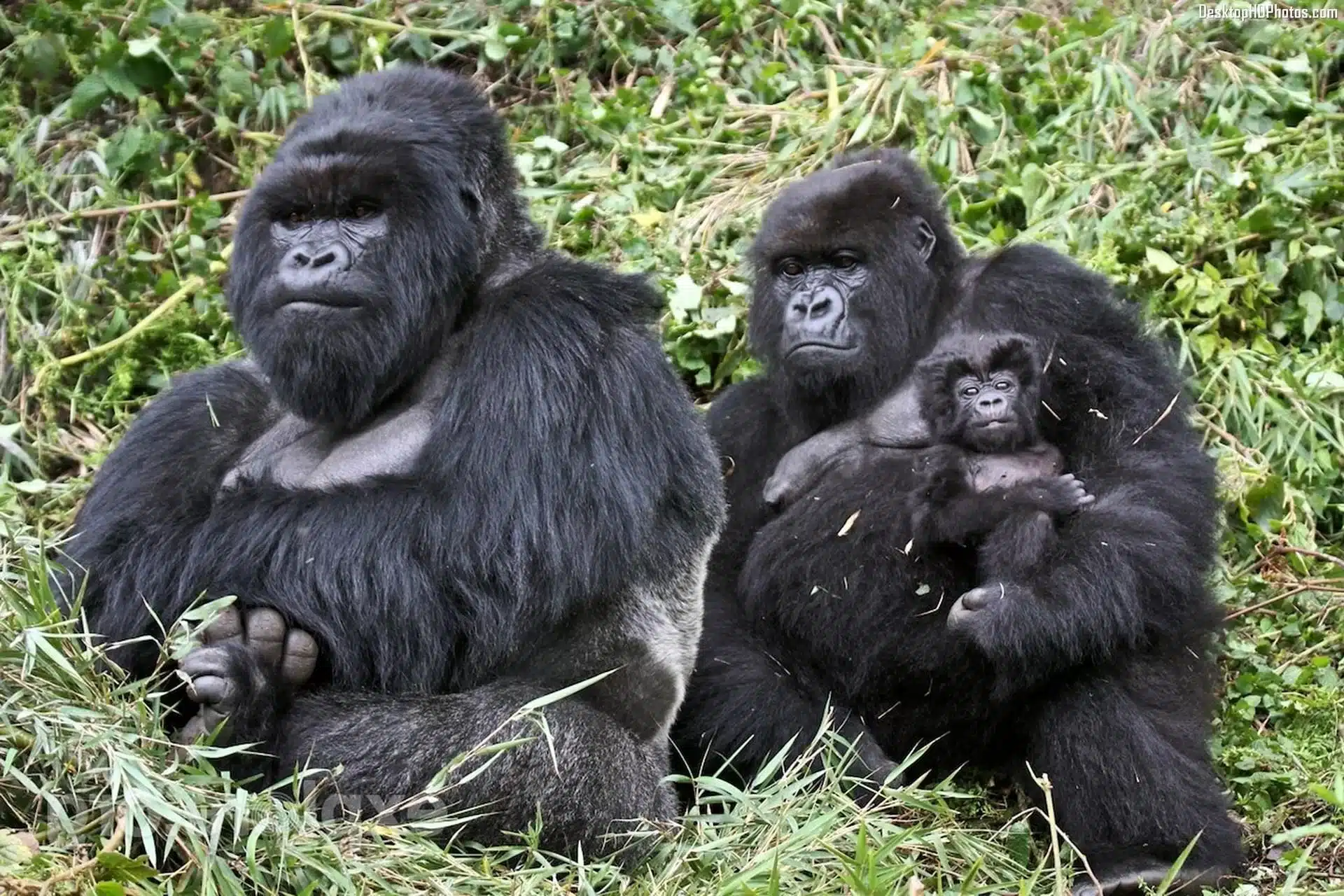
There is a moment, deep inside Volcanoes National Park, when the bamboo rustles and everything goes quiet. Your guide raises a fist — the signal to stop. And then you see it. A silverback, enormous and unbothered, watching you from fifteen metres away. Nothing prepares you for it. Not the photos, not the documentaries, not the stories of other travellers. Seeing a mountain gorilla in the wild is one of those rare experiences that earns every overused word people throw at it. But getting to that moment requires planning — and getting the planning right. This complete guide to how to book gorilla trekking in Rwanda covers everything: permits and costs, the step-by-step booking process, when to go, what to expect on the day, how Rwanda compares to Uganda, packing lists, rules, cancellation policies, and where to stay near Volcanoes National Park.
Why Gorilla Trekking in Rwanda Is Worth Every Dollar
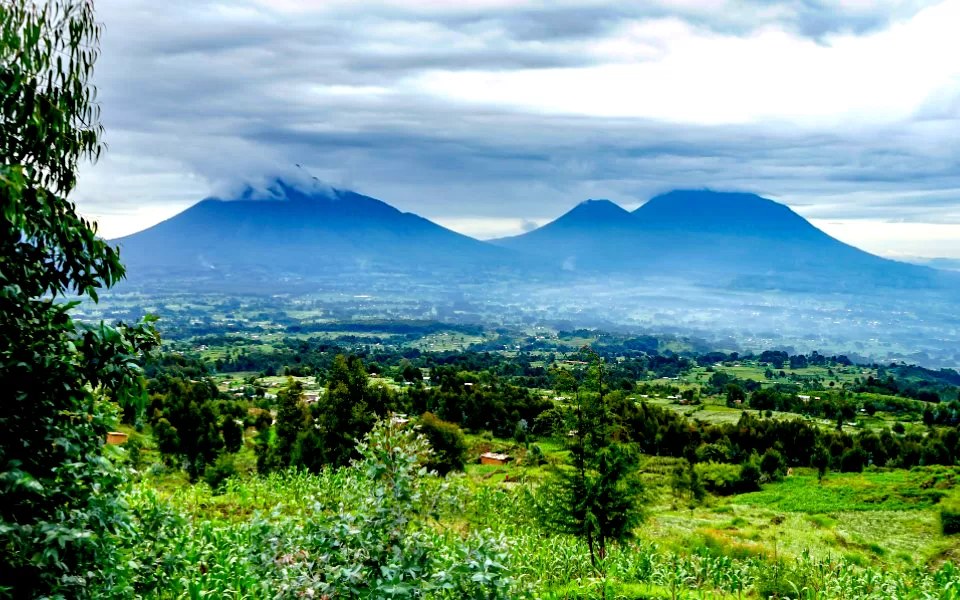
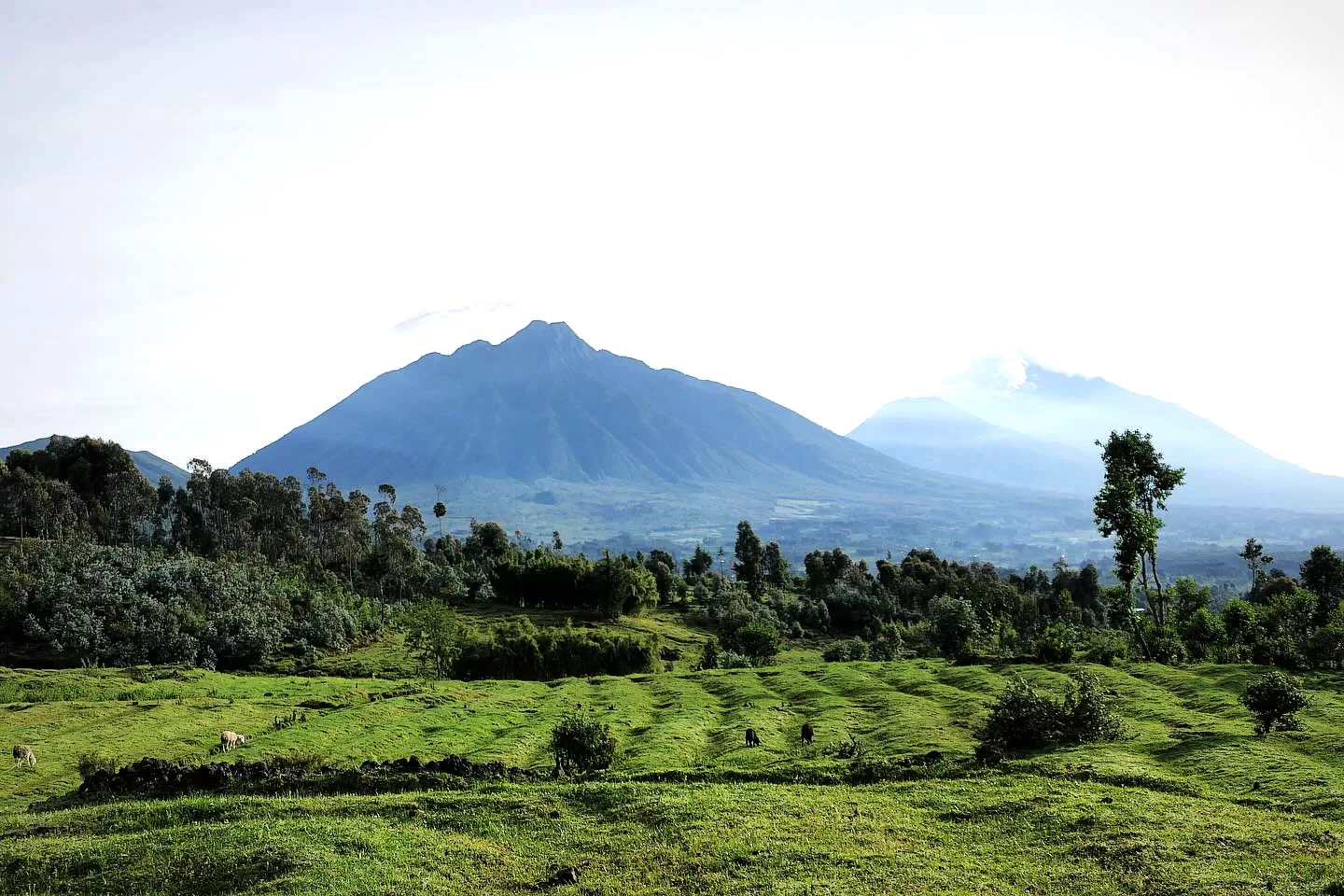
Mountain gorillas exist in only two places on Earth: the Virunga Massif, a chain of volcanoes shared by Rwanda, Uganda, and the Democratic Republic of Congo, and the Bwindi Impenetrable Forest in Uganda. Fewer than 1,100 individuals remain. That number has grown — from under 700 two decades ago — because of the investment that Rwanda, Uganda, and international conservation organisations have made in protecting them. The $1,500 gorilla trekking permit is a significant part of that investment.
Rwanda’s section of the Virungas — Volcanoes National Park — is where mountain gorilla conservation began. Dian Fossey spent 18 years researching here. The Karisoke Research Centre she founded in 1967 continues its work today. The habituated gorilla families that visitors trek to see today are the direct descendants of the families Fossey studied and protected — and their relatively calm response to human presence is the result of decades of careful habituation work that began long before gorilla tourism existed.
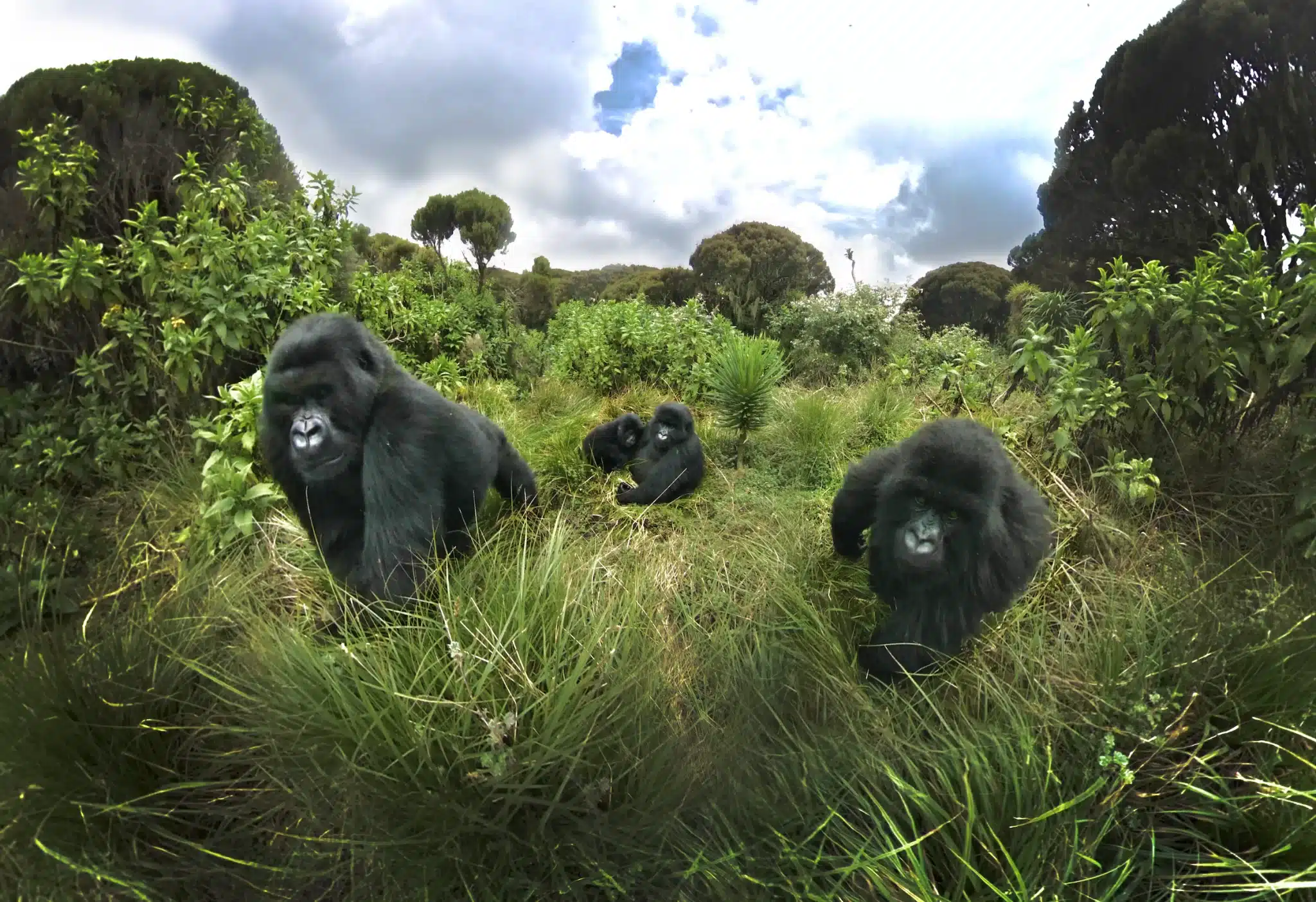
The experience itself is impossible to adequately describe in advance. Visitors who have been on safari in Kenya, on whale-watching boats in the Pacific, on dive trips in the Maldives — they consistently describe gorilla trekking as unlike any of it. The gorillas are not behind glass, not in an enclosure, not at a distance that requires binoculars. They are in the forest, living their lives, and for one hour you are in the forest with them. A silverback sitting two metres away. An infant falling out of a tree and landing in its mother’s arms. Two juveniles wrestling in a patch of sunlight. Yes — it is worth it.
What Is a Gorilla Trekking Permit?
Before anything else in planning how to book gorilla trekking in Rwanda, understand exactly what a permit is and is not.
A gorilla trekking permit is the official authorisation, issued by Rwanda’s government through the Rwanda Development Board (RDB), that allows you to enter Volcanoes National Park and spend time with one of its habituated mountain gorilla families. Without a valid permit in your legal name, you will not be allowed into the park. There are no exceptions, no same-day sales at the gate, and no unofficial alternatives. No permit, no gorillas.
Each permit is linked directly to your passport details at the time of booking. The name on your permit must exactly match the name on the travel document you present at the park gate. If there is a mismatch — even a middle name included or omitted — you risk being denied entry. Book carefully and consistently with your passport as it will appear at the gate.
What the permit does NOT cover: Transport to Volcanoes National Park · Accommodation · Porter fees · Guide tips · Any other park activity (golden monkey trek, volcano hike, etc.)
Gorilla Trekking Permit Costs & Discounts in 2026
Rwanda’s gorilla trekking permit fee is set by the RDB and is fixed — no tour operator can sell it to you at a discount below the official rate, and no amount of negotiation will change the price. Here is the full fee structure for 2026:
Rwanda Gorilla Trekking Permit Fee Structure
Fees set by the Rwanda Development Board (RDB) · Fixed · Non-negotiable
| Visitor Category | 2026 Permit Cost | Eligibility |
|---|---|---|
| Foreign non-residents | USD $1,500 per person | All international visitors who do not hold EAC residency |
| Foreign residents (EAC) | USD $500 per person | Foreigners living in Rwanda or EAC countries for 4+ months with proof of residency |
| EAC citizens | USD $200 per person | Citizens of Rwanda, Uganda, Kenya, Tanzania, Burundi, South Sudan, DRC |
| Rwandan nationals | USD $200 per person | Rwandan passport holders |
| Private exclusive trek | USD $15,000 per group | Entire gorilla family allocated to one private group of up to 8 people |
Available Discounts — 2026
- Low season 30% discount: Pay USD $1,050 instead of $1,500 when visiting between November and May AND spending at least 3 nights at Akagera or Nyungwe National Park on the same trip. This is Rwanda’s most significant discount and makes a multi-park itinerary genuinely financially smart.
- Conference guests 15% discount: Visitors attending accredited MICE (Meetings, Incentives, Conferences, Events) events in Rwanda who add a gorilla trek as a pre- or post-conference extension qualify for a 15% reduction.
- Children under 15: Not permitted to trek — no permit available regardless of category.
The $1,500 fee is deliberately set high. Rwanda’s tourism strategy is built on low volume and high quality — limiting visitor numbers protects the gorillas from stress and disease, maintains the exclusivity of the experience, and ensures that revenue per visitor is high enough to fund meaningful conservation. Approximately 10% of permit revenue is channelled directly into community development programmes for villages bordering the park.
Permit Availability & How Far in Advance to Book
Rwanda issues a maximum of 96 gorilla trekking permits per day — 8 visitors per habituated gorilla family, across 12 families. This quota is absolute and never exceeded. 96 permits sounds generous until you realise that July and August alone see tens of thousands of people trying to book for peak dates. Popular dates in peak season sell out 12 months or more in advance.
June–September (Peak): Book 9–12 months ahead. July and August are the most competitive months — book as soon as your dates are confirmed.
December–February (Shoulder Peak): Book 4–6 months ahead. Christmas and New Year weeks fill early; January and February are easier.
March–May (Low Season): Book 2–4 months ahead. Low season discounts apply if you combine with another park.
October–November (Low Season): Book 2–3 months ahead. Generally good availability but low season discount conditions apply.
Walk-in permits at the park gate do not exist. If you arrive at Volcanoes National Park without a permit, you will be turned away regardless of the circumstances. Do not attempt to arrange anything on arrival — the system is entirely pre-booked.
Step 1: How to Book a Gorilla Trekking Permit Directly Through the RDB
Book via the RDB Official Portal — visitrwandabookings.rdb.rw
Real-time availability · Secure card payment · Instant permit confirmation
The Rwanda Development Board’s official booking portal is the most direct way to secure your gorilla trekking permit. Here is the step-by-step process:
- Visit the portal: Go to visitrwandabookings.rdb.rw. Create an account if booking for the first time.
- Check availability: Select your preferred trekking date. The portal shows real-time availability across all 12 gorilla families. If your first choice date is fully booked, the portal will show adjacent available dates.
- Enter passport details precisely: Your name must match your passport exactly — including middle names if shown. Any discrepancy will cause problems at the park gate. Take your passport from your bag and type from it directly.
- Upload your travel document: A clear scan or photo of your valid passport is required for identity verification.
- Pay in full: The RDB requires full payment at the time of booking — no deposit option exists. Major credit and debit cards (Visa, Mastercard) are accepted. Payment is processed in USD.
- Receive and save your permit: A digital permit is sent to your email immediately after successful payment. Print a physical copy AND save it to your phone — you need this document plus your passport at the park gate.
Step 2: Booking Through a Licensed Tour Operator
Use a Licensed RDB Tour Operator for a Seamless Experience
Permit + transport + accommodation + guide · Package cost: $1,800–2,500 per person
For most first-time visitors to Rwanda, booking gorilla trekking through a licensed tour operator is the most practical and reliable approach. A good operator handles the permit booking, arranges transport from Kigali, coordinates your accommodation near the park, and ensures you arrive at Kinigi headquarters on time at 7:00am — none of which is trivial to manage independently for someone unfamiliar with Rwanda.
What a Tour Operator Package Typically Includes
- RDB gorilla trekking permit in your name (the operator books this on your behalf)
- Private return transport from Kigali to Volcanoes National Park (2.5 hours each way)
- Accommodation at a lodge near the park (1–2 nights depending on package)
- Experienced English-speaking guide and ranger escort
- Porter (often included or offered at cost)
- Detailed pre-trek briefing and gear guidance
How to Choose a Reputable Operator
- RDB licensing: Verify the operator is listed as a licensed tour operator on the Rwanda Development Board website. Unlicensed operators cannot legally book permits on your behalf.
- RTTA membership: Rwanda Tourism & Travel Association members have agreed to a code of conduct and professional standards — a useful signal of reliability.
- Transparent pricing: A reputable operator will show the permit cost ($1,500) as a line item in their quote. If they claim to offer permits below the official rate, walk away.
- Verifiable reviews: Look for recent TripAdvisor reviews from travellers who specifically completed gorilla trekking, not just general Rwanda tours.
What to Expect on Trek Day: Hour by Hour
Understanding exactly what happens on trek day removes almost all anxiety about the experience and lets you focus on the gorillas when you find them. Here is a complete timeline of a gorilla trekking day in Rwanda:
A Complete Gorilla Trekking Day in Volcanoes National Park
From pre-dawn departure to afternoon return · Allow a full day
Depart Your Lodge or Kigali Hotel
Trek day starts in the dark. If you are staying near the park in Musanze or Kinigi, a 5:30–6:00am departure is sufficient. If day-tripping from Kigali (not recommended), a 4:30am departure is needed. Lodges near the park serve an early breakfast from 5:00am — eat properly. The hike is strenuous and it will be several hours before you see food again.
Check-In at Kinigi Park Headquarters
All trekkers must check in at the park headquarters in Kinigi by 7:00am. Bring your gorilla trekking permit (printed or on your phone) and your passport — both are checked. Rangers conduct a roll call and verify permits. Late arrivals risk being reassigned to a different gorilla family or, in extreme cases, losing their permit for the day with no refund.
Pre-Trek Briefing
A ranger delivers a 20-minute briefing covering the rules for being in the presence of gorillas (7-metre minimum distance, no flash photography, face masks to be worn when near the family, no eating in front of the gorillas, no sudden movements). Trekkers are assigned to their gorilla family based on fitness levels reported at check-in — be honest about your physical condition. Groups are a maximum of 8 people.
Transfer to the Trailhead & Porter Hire
Vehicles transfer each group to their designated trailhead at the edge of the park. Hire a porter here — approximately $15–20 for the day. Porters carry your bag, steady you on steep sections with a stick, and know the terrain. The physical relief they provide is significant, and the $15–20 is meaningful income for local community members employed by the park. Do not skip the porter.
The Trek Begins
You enter the forest with your ranger guide and armed escort. Trek duration from trailhead to gorilla family varies enormously — from 30 minutes (if the family was near the boundary overnight) to 7 hours (if the family moved deep into the forest the night before). The average is 2–3 hours. Trackers who set out at dawn have already located the family and radio the guide with direction updates. You follow their trail.
The Hour with the Gorillas
When the guide signals the gorillas are close, the group stops and the guide gives final instructions. You have exactly one hour with the family once the clock starts. During this hour, the gorillas may be anywhere — resting in a clearing, moving through the vegetation, feeding, playing, nursing. The guide positions the group to maximise visibility without disturbing the animals. Your hour ends whether or not the gorillas have cooperated — there are no extensions.
Trek Back to the Trailhead
After the hour, the group returns to the trailhead. The return hike is typically faster than the ascent. Back at Kinigi, certificates of participation are issued. Most trekkers return to their lodge for lunch and an afternoon of processing the experience — many describe the hours after a gorilla trek as unusually quiet and contemplative.
The One Hour with the Gorillas — What It Is Actually Like
People ask what an hour with a gorilla family is like, and it is genuinely difficult to answer without sounding hyperbolic. So here is the honest version, as experienced by someone who has watched hundreds of visitors go through it.
The first thing you notice is the smell — a musky, earthy warmth that means you are close before you see anything. Then the guide stops. You stop. The vegetation ahead moves and there they are. The first reaction of almost every trekker is silence — not because they have been told to be quiet, but because words simply do not arrive.
A silverback at rest is the most physically authoritative creature most people will ever see. Not threatening — that is the wrong word. Settled. He has been watching humans like you for years and has decided, after careful consideration, that you are not interesting. That indifference, in its own way, is more humbling than anything aggressive could be.
The juveniles are the ones that break the spell. They play, they fall, they wrestle their siblings, they occasionally wander alarmingly close to the visitor group to investigate a boot or a camera strap. The mothers nurse. The silverback occasionally grunts a low, resonant sound that moves through the air more than it passes through ears. Your hour ends. You walk back in a silence that takes a long time to break.
Rwanda’s 12 Habituated Gorilla Families
Volcanoes National Park currently has 12 habituated gorilla families available for trekking. Each family occupies a different territory within the park and offers a different trekking experience. The RDB assigns trekkers to families based on fitness level and permit date — you will not know your assignment until the morning briefing.
| Family Name | Typical Group Size | Trek Difficulty | Notable For |
|---|---|---|---|
| Susa A | ~30 members | Most challenging | Largest family; climbs highest on Karisimbi. Rewarding but strenuous. |
| Amahoro | ~17 members | Moderate | Known for calm behaviour; excellent for photography and relaxed viewing. |
| Umubano | ~13 members | Moderate | Good mix of silverbacks and young members; reliable sightings. |
| Agashya (Group 13) | ~25 members | Moderate | Large, active family; frequent movement means variable trek distance. |
| Kwitonda | ~18 members | Challenging | Ranges high on Muhabura; often requires a longer, steeper approach. |
| Hirwa | ~16 members | Easy–Moderate | Lower altitude territory; recommended for visitors with limited fitness. |
| Ugyenda | ~11 members | Moderate | Younger family; active youngsters make for lively, photogenic encounters. |
| Muhoza | ~10 members | Easy–Moderate | Newer habituated group; lower territory and typically shorter trek. |
Best Time of Year to Book Gorilla Trekking in Rwanda
☀️ June–September (Peak)
Rwanda’s main dry season — clearer skies, drier trails, easier hiking, and the most comfortable conditions in the forest. The most popular trekking season with highest demand. July and August see the highest visitor volumes globally. Book 9–12 months ahead. Standard permit price applies ($1,500).
Best for: Comfort, photography, first-timers
☀️ December–February (Shoulder Peak)
Short dry season with near-peak conditions. January and February offer excellent trekking with significantly fewer tourists than July/August. Christmas and New Year weeks are busy — book 6+ months ahead for those dates. Standard permit price applies.
Best for: Best value peak-condition visit
🌧️ March–May (Low Season)
Long rainy season — gorillas are present year-round and the forest is extraordinarily lush. Trails are muddy and steep sections require care. 30% low-season permit discount applies ($1,050) if combining with 3+ nights at Akagera or Nyungwe. Book 2–4 months ahead.
Best for: Budget-conscious, adventure trekkers
🌦️ October–November (Low Season)
Short rains — mornings often clear, afternoon showers likely. Good permit availability and lower accommodation rates. Low-season discount applies with multi-park combination. The least visited season and often genuinely rewarding for visitors who can accept variable conditions.
Best for: Quiet visits, budget flexibility
Rwanda vs Uganda for Gorilla Trekking: Which Should You Choose?
Both Rwanda’s Volcanoes National Park and Uganda’s Bwindi Impenetrable Forest offer genuine, world-class gorilla trekking experiences. The choice depends on your budget, travel style, and what else you plan to do in East Africa.
| Factor | Rwanda 🇷🇼 | Uganda 🇺🇬 |
|---|---|---|
| Permit cost | USD $1,500 | USD $800 |
| Drive from capital | 2.5 hours from Kigali | 8–9 hours from Entebbe |
| Infrastructure | Excellent — paved roads, luxury lodges, organised | More basic — rougher roads, variable lodges |
| Habituated families | 12 families | 19+ families across multiple sectors |
| Peak season availability | Very limited — sells out a year ahead | More permits available |
| Combine with Kigali | Easy — 2.5-hour drive, same trip | Separate country, additional flights |
| Gorilla species | Mountain gorilla (rarer) | Mountain gorilla AND eastern lowland gorilla (Bwindi) |
| Best for | Comfort, efficiency, luxury, combining with Kigali | Budget, more permit options, longer East Africa circuit |
What to Pack for a Gorilla Trek in Rwanda
🧳 Complete Gorilla Trekking Packing List
- Sturdy waterproof hiking boots with ankle support — the most important item on this list. Gorilla trek terrain is steep, uneven, often muddy, and requires proper ankle support. Do not attempt the trek in trail runners, sandals, or unbroken-in boots. Wear them for at least a week before the trip.
- Long-sleeved shirt and full-length trekking trousers — essential protection against stinging nettles, which are abundant on gorilla trek routes. Neutral colours (khaki, olive, brown, grey) help you blend in. Avoid blue — gorillas associate it with poachers’ uniforms in some park areas.
- Lightweight rain jacket or poncho — Volcanoes National Park creates its own weather. Even in dry season, the forest can produce rain within minutes. A packable waterproof jacket is essential. An emergency poncho is useful backup for your day pack.
- Gardening gloves — underrated and transformative. Guides hand you a walking stick; gloves protect your hands when grabbing vegetation for balance on steep sections. Available cheaply in Kigali if you forget to bring them.
- Gaiters — protect your lower legs and boot tops from mud, nettles, and debris. Most lodges near the park have loaner gaiters — ask when you check in.
- Surgical face mask (bring several) — required to wear in the presence of the gorilla family to reduce disease transmission risk. The park provides one but bringing your own is better.
- Day pack (20–25 litres) — to carry water, snacks, rain layer, camera, and anything else you need on the trail. The porter carries your pack — not your valuables.
- 2 litres of water and high-energy snacks — no food or drink in front of the gorillas, but you will need fuel for the approach and return hike. Energy bars, nuts, or fruit work well.
- Camera without flash — flash photography is strictly prohibited. A mirrorless or DSLR camera with a lens of at least 70–200mm is ideal. A phone camera works for close encounters. Charge everything fully the night before — no charging points in the forest.
- Insect repellent (DEET 30%+) — the forest is a malaria-risk environment at lower altitudes. Apply before the trek and reapply on the return.
- Reusable water bottle — Rwanda bans single-use plastic bags and restricts plastic bottles in national parks. Bring a refillable bottle and fill it at your lodge before departure.
- Cash for the porter and ranger tips — in Rwandan Francs or USD. Porter fee: approximately $15–20. Ranger tips: $10–20 per ranger is customary and genuinely appreciated.
Rules, Health Requirements & Age Limits
Rwanda’s gorilla trekking rules exist to protect the gorillas. Mountain gorillas are highly susceptible to human diseases — a common cold transmitted to a gorilla family can be devastating. The rules are enforced without exception:
| Rule | Requirement | Reason |
|---|---|---|
| Minimum age | 15 years old. No exceptions. | Children’s unpredictable behaviour can stress the gorillas |
| Minimum distance | 7 metres from the gorillas at all times | Reduces disease transmission and stress to animals |
| Face mask | Surgical mask required in the presence of the family | Reduces respiratory disease transmission risk |
| Group size | Maximum 8 trekkers per gorilla family per day | Limits stress and disturbance to the gorilla family |
| Time limit | Exactly 1 hour with the gorilla family | Protects the gorillas from extended human contact |
| Illness policy | Trekkers showing cold/flu symptoms will be denied entry | Critical disease protection — 50% refund applies |
| Flash photography | Strictly prohibited | Flash disturbs and stresses gorillas |
| No eating | No food or drink in the presence of the gorilla family | Prevents attracting gorillas to human food; reduces disease vectors |
Cancellation & Refund Policy for Rwanda Gorilla Permits
Rwanda’s cancellation policy is strict — this is not a standard hotel booking that can be cancelled at 24 hours’ notice. Understand the policy before committing, and purchase comprehensive travel insurance that covers trip cancellation:
- 3+ months before trek date: 75% refund
- 6 weeks to 3 months before: 50% refund
- 1 month to 6 weeks before: 25% refund
- Less than 1 month before: No refund
- Day-of illness (confirmed by ranger): 50% refund
- No-show / late arrival: No refund
- Flight delays / missed connection: No refund — build buffer days into your itinerary
Travel insurance with trip cancellation coverage is strongly recommended — look specifically for a policy that covers gorilla trekking permits as a pre-paid non-refundable activity. Some specialist travel insurance providers (including World Nomads and SafetyWing) explicitly cover this type of non-refundable adventure activity booking.
Getting to Volcanoes National Park from Kigali
Volcanoes National Park is located approximately 110 kilometres northwest of Kigali. The drive takes 2 to 2.5 hours on Rwanda’s well-maintained road network. Transport options:
- Private car with driver (recommended): Arranged through your lodge, tour operator, or Kigali hotel. Cost: approximately $80–120 return. The most reliable option for ensuring you arrive at the park gate on time.
- Tour operator transfer: Included in most gorilla trekking packages — the easiest option for first-time visitors.
- Public minibus to Musanze: Departs from Nyabugogo bus terminal in Kigali for approximately 1,500 RWF ($1.50). From Musanze, take a moto-taxi or taxi to Kinigi (approximately 20 minutes). Budget option that requires early departure to arrive by 7:00am.
- Helicopter transfer: Rwanda Air offers helicopter charters from Kigali to a landing zone near Musanze — approximately 30 minutes. Cost: $600–900 per person. The fastest and most dramatic option for those with the budget for it.
Where to Stay Near Volcanoes National Park
Staying near the park — in Musanze or Kinigi — rather than travelling from Kigali on the morning of your trek is strongly recommended. Lodges near the park serve breakfast at 5:00am, ensure you arrive at Kinigi by 7:00am without stress, and allow you to enjoy the afternoon in the park area rather than spending it driving back to Kigali.
🏕️ Bisate Lodge
Singita’s extraordinary eco-lodge built into the volcanic hillside — six forest villas with wraparound views of the Virunga volcanoes, an extraordinary spa, and a reforestation programme surrounding the property. The finest accommodation near the park. All-inclusive rates make it genuinely competitive at the top of the market.
🏘️ Sabyinyo Silverback Lodge
A AAA Community Based Tourism project — gorgeous stone cottages, volcano views, and a lodge where the community ownership means your stay directly benefits the 130 families whose land it occupies. Among the most ethically grounded luxury lodges in Rwanda.
🏡 Five Volcanoes Boutique Hotel
A beautiful mid-range option in Musanze town — comfortable rooms, excellent food, and a garden setting that feels genuinely restful after the trek. Close enough to the park to make early departures entirely manageable. The best value mid-range choice in the area.
🏨 Mountain Gorilla View Lodge
Located very close to the park headquarters in Kinigi — practical proximity means the shortest possible morning transfer to the briefing. Comfortable rather than luxurious, with good food and reliable service. A solid choice for visitors who prioritise convenience and cost-efficiency over style.
🏩 Gorillas Golf Hotel
A comfortable mid-range hotel in Musanze with good facilities including a pool, restaurant, and reliable wi-fi. Not the most atmospheric option but well-managed and convenient. Good choice for budget-conscious mid-range travellers or those combining the gorilla trek with Musanze’s other attractions.
🛏️ Guesthouses in Musanze
Several clean, reliable guesthouses in Musanze town centre offer budget accommodation for trekkers. The extra travel time from Musanze to Kinigi (20–25 minutes) means a slightly earlier departure — account for this when planning your morning. Ask your guesthouse to arrange a moto-taxi or car for the 5:30–6:00am departure.
Frequently Asked Questions: How to Book Gorilla Trekking in Rwanda
How much does a gorilla trekking permit cost in Rwanda in 2026?
A Rwanda gorilla trekking permit costs $1,500 USD per person for foreign non-residents in 2026. This is a fixed price set by the Rwanda Development Board — no operator can sell it cheaper. A 30% low-season discount ($1,050) applies November–May for visitors who also spend 3+ nights at Akagera or Nyungwe National Park. EAC citizens and Rwandan nationals pay $200.
How do I book gorilla trekking in Rwanda?
Book directly through the Rwanda Development Board (RDB) at visitrwandabookings.rdb.rw, or through a licensed tour operator who handles the RDB booking on your behalf. The RDB portal requires your passport details, a scan of your travel document, and full payment by card at the time of booking. Your permit is issued digitally immediately after payment. Bring the permit and matching passport to the park gate on trek day.
How far in advance should I book gorilla trekking?
Book 9–12 months ahead for peak season (June–September), 4–6 months ahead for December–February, and 2–4 months ahead for low season (March–May, October–November). Rwanda issues only 96 permits per day. Peak season dates sell out well in advance — as soon as your trip dates are confirmed, the permit should be your first booking.
Is gorilla trekking in Rwanda worth the $1,500 permit cost?
For the overwhelming majority of visitors: yes, unequivocally. One hour with a habituated mountain gorilla family in Volcanoes National Park is routinely described as the most powerful wildlife experience of visitors’ lives. The $1,500 fee also directly funds Rwanda’s conservation programme and community development — the same investment that has helped mountain gorilla populations grow from under 700 to over 1,000 individuals. It is expensive. It is worth it.
How physically demanding is gorilla trekking in Rwanda?
Trek difficulty varies significantly by day depending on gorilla family location. Treks range from 30 minutes to 7 hours of hiking on steep volcanic terrain at 2,500–4,000 metres altitude. Hire a porter (approximately $15–20) — they carry your bag and steady you on difficult sections. Be honest about your fitness at the morning briefing — rangers assign families with fitness in mind, and lower-altitude families like Hirwa and Muhoza are available for visitors with limited fitness.
Rwanda or Uganda — which is better for gorilla trekking?
Both are excellent. Rwanda ($1,500) offers superior infrastructure, proximity to Kigali (2.5-hour drive), and luxury lodge options — the best choice for comfort, efficiency, and combining with a Rwanda itinerary. Uganda ($800) is cheaper, has more permit availability, and suits adventurous travellers building a longer East Africa circuit. Choose Rwanda if this is your primary trip focus; consider Uganda if budget is a significant concern or you are touring the region more broadly.
What is the cancellation policy for Rwanda gorilla permits?
75% refund if cancelled 3+ months before the trek; 50% refund for 6 weeks to 3 months; 25% refund for 1 month to 6 weeks; no refund within 1 month. Illness on the day of the trek results in a 50% refund if confirmed by rangers at the gate. No-shows and late arrivals receive no refund. Purchase comprehensive travel insurance that specifically covers pre-paid gorilla trekking permits.
Can I book last-minute gorilla trekking permits in Rwanda?
Occasionally — cancellations do occur and are sometimes visible on the RDB portal at short notice. Check the portal daily in the week before your preferred date if you are in Rwanda. Tour operators with established relationships with the RDB sometimes have access to last-minute availabilities not visible on the public portal. Do not rely on last-minute availability for a trip built around gorilla trekking — book early.
That silverback in the bamboo, watching you with the calm authority of something ancient and entirely unbothered — yes, it is worth every dollar of the permit, every hour of the planning, and every step of the climb. When you book a gorilla trekking permit in Rwanda, you are not just buying an experience. You are funding the conservation story that brought these animals back from the brink and continues to protect them today. Plan carefully, book early, and go.
More Rwanda Travel Guides
Rwanda Trip Planner 2026: Plan Your Visit in 7 Easy Steps Kigali Itinerary (3 Days): The Perfect Guide for First-Timers (2026) Best Time to Visit Rwanda: Month-by-Month Guide Kwita Izina: Guide to Rwanda’s Gorilla Naming Ceremony (2026) Akagera National Park Safari Guide: Big Five & What to Expect Ibere rya Bigogwe: Rwanda’s Viral Cowboy Country — Day Trip Guide Where to Stay in Rwanda: Top Hotels & Lodges Rwandan Gifts 2026: 12 Meaningful Souvenirs to Bring HomePermit pricing and booking information correct as of April 2026. Rwanda Development Board fees are reviewed periodically — always verify current prices at visitrwandabookings.rdb.rw before booking. Accommodation price ranges are approximate and subject to seasonal variation. Some links in this guide are affiliate links that may earn RwandaTrip a small commission at no additional cost to you. All editorial recommendations are independent.