Volcanoes National Park Rwanda 2026: The Ultimate Complete Guide
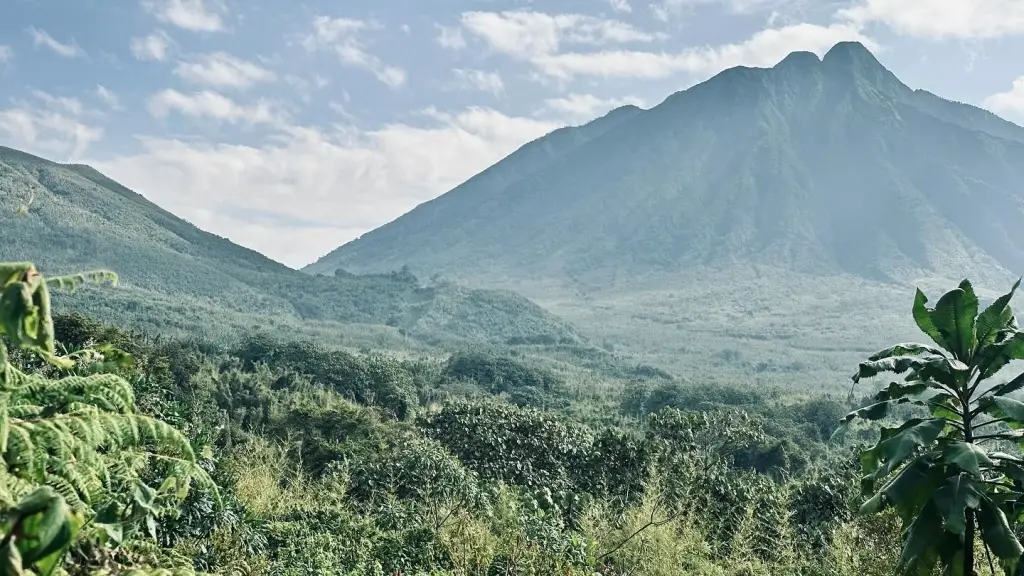
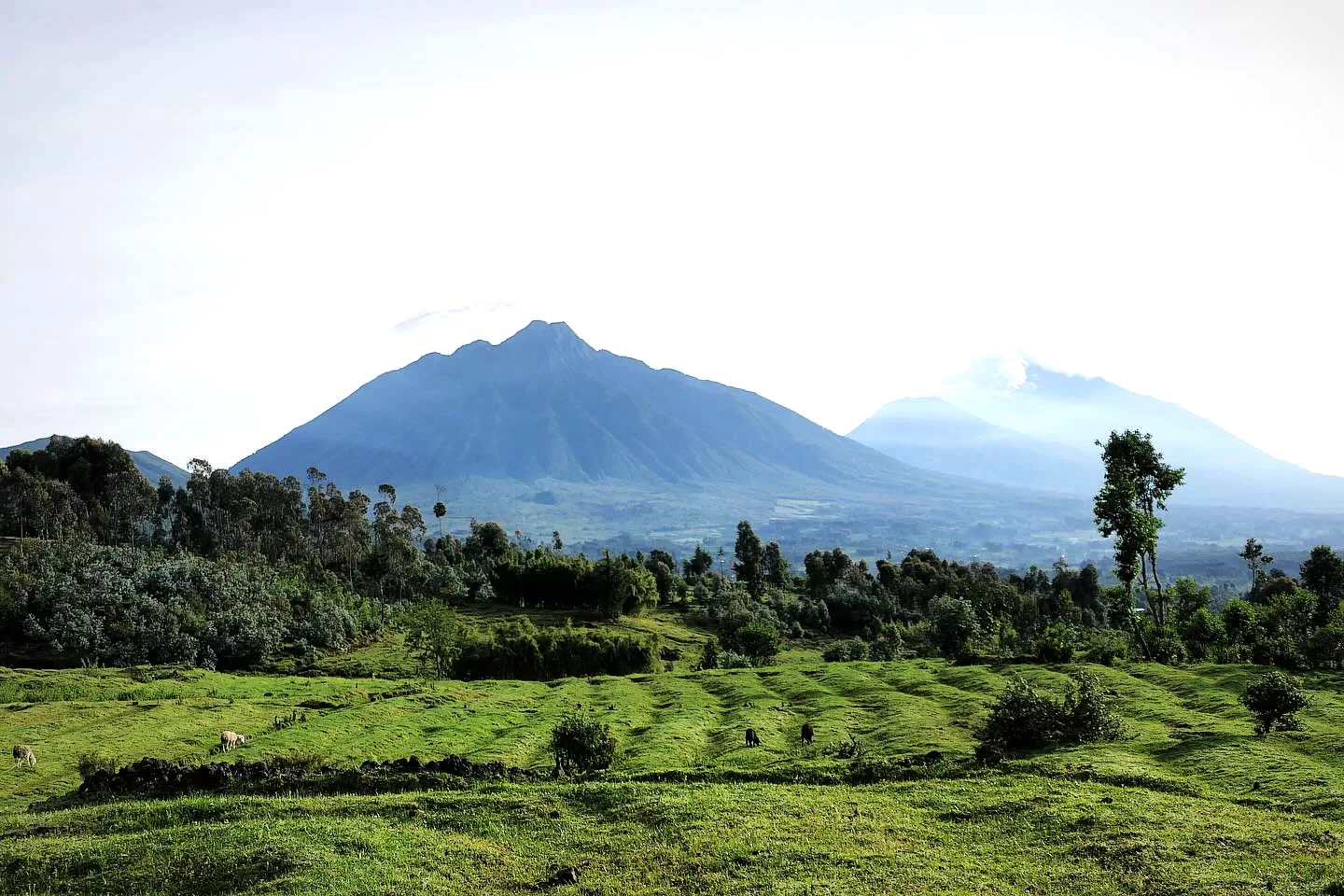
On a clear morning in the Virunga Mountains, before the mist has burned off the bamboo forest, Volcanoes National Park looks like the kind of place that belongs in another era. The volcanoes rise in a perfect chain above the treeline, their slopes still dark in the early light. Somewhere up there, a silverback is waking his family. This guide covers everything you need to know about Volcanoes National Park Rwanda — every activity, every permit cost, the best time to visit, where to stay, how to get there, and exactly what to expect from every experience the park offers.
About Volcanoes National Park Rwanda
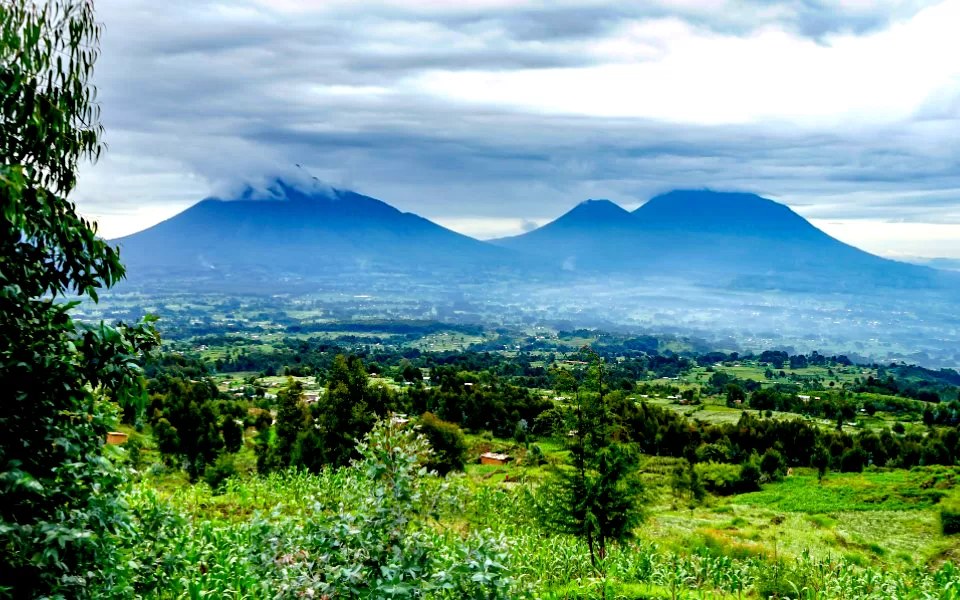
Volcanoes National Park — Parc National des Volcans in French — occupies 160 square kilometres in Rwanda’s Northwestern Province, along the borders with Uganda and the Democratic Republic of Congo. It protects Rwanda’s section of the Virunga Massif: a chain of eight dormant and semi-active volcanoes straddling three countries that together form one of the most ecologically and culturally significant landscapes in Africa.
Five volcanoes lie within or along Rwanda’s park boundaries: Mount Karisimbi (4,507m — Rwanda’s highest peak), Mount Bisoke (3,711m, famous for its crater lake), Mount Muhabura (4,127m), Mount Gahinga (3,474m), and Mount Sabyinyo (3,634m) — whose summit marks the precise tripoint where Rwanda, Uganda, and the DRC meet. Established in 1925, it is the oldest national park in Africa.
Today Volcanoes National Park anchors the larger Virunga Conservation Area and manages one of the world’s last remaining mountain gorilla populations. Thanks to decades of conservation effort, much of it inspired by the work of American primatologist Dian Fossey, the global mountain gorilla population has grown from approximately 250 individuals in the 1980s to over 1,000 today — the only great ape whose numbers are actively increasing. Rwanda’s Volcanoes National Park is home to more than 400 of them.
| Detail | Information |
|---|---|
| Location | Northwestern Province, Musanze District |
| Size | 160 km² |
| Park headquarters | Kinigi, 7 km from Musanze town |
| Distance from Kigali | ~105 km · 2–2.5 hours by road |
| Elevation range | 2,400m to 4,507m (Karisimbi summit) |
| Established | 1925 — oldest national park in Africa |
| Mountain gorilla population | 400+ individuals (″″ of global total) |
| Best time to visit | June–September and December–February |
| Gorilla permit cost | $1,500 USD per person (2026) |
| Gorilla permit booking | visitrwandabookings.rdb.rw |
Why Volcanoes National Park Rwanda Is Unlike Anywhere Else
I spent years guiding visitors through this park. First-timers expecting an organised safari would arrive and find something wilder, older, and more affecting than they imagined. Families who had driven four hours from Kigali at 5am, sleep-deprived and uncertain, would return in the afternoon transformed. Volcanoes National Park does that to people.
What distinguishes it is not merely the gorillas — though the gorillas are extraordinary in ways that nothing else prepares you for. It is the combination: the physical drama of five volcanoes visible from a single point, the intimacy of the bamboo forest at elevation, the altitude that makes every step feel earned, the silence that exists only in places where human activity has not yet permanently settled. And then, among the vegetation, the gorillas themselves — animals that share 98.3% of their DNA with us, whose social structures mirror ours in ways that are simultaneously comforting and humbling.
Beyond gorillas, the park offers ten distinct experiences — from volcano summit climbs to cultural village visits to some of the finest highland birdwatching in East Africa. Three days in the park is the minimum to do it justice. Five days allows you to experience its full range. This guide covers every one of them.
Activity 1: Gorilla Trekking — The Centrepiece of Volcanoes National Park
Mountain Gorilla Trekking
$1,500 per person · Max 8 visitors per family · 1 hour with the gorillas
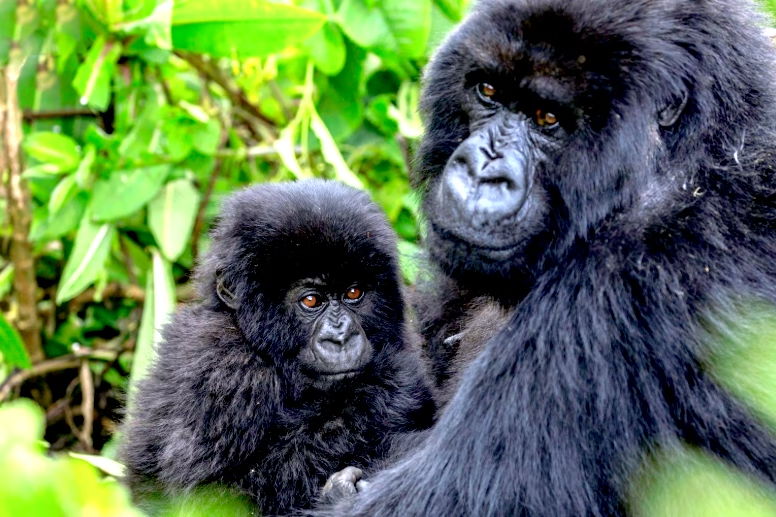
Gorilla trekking in Volcanoes National Park is the reason most international visitors come to Rwanda — and the experience justifies every dollar of the $1,500 permit fee, which remains one of the most expensive single-activity experiences in the world and one of the most worth it. The park is home to 12 habituated gorilla families, each visited by a group of no more than 8 people per day for exactly one hour.
The trek begins at Kinigi park headquarters at 7:00am with a briefing from park rangers. Groups are assigned to gorilla families based on fitness level — this is your moment to mention any mobility concerns. From the trailhead, armed ranger-guides lead you into the bamboo forest, ascending through vegetation that changes dramatically with altitude: open farmland, then dense bamboo, then montane forest where the trees are cloaked in moss and lichen and the air is cool and moist.
Trek duration to reach the gorillas varies from 30 minutes to 4+ hours depending on where the family has moved. Trackers monitor the families from dawn and radio their position ahead, so you are heading to a known location. When you reach the family, your guide signals the start of the one-hour clock. The gorillas go about their day — feeding, playing, resting, moving — while you observe from within several metres. The silverback may glance at you, assess you as harmless, and return to eating. The infants will be oblivious to you entirely.
That hour is unlike anything else available in nature tourism. People cry. People are struck silent. People describe it — searching for words and usually landing on the same one — as humbling. Book as early as possible for peak season (June–September): permits sell out months in advance.
- 30% discount for multi-park visits
- No flash photography
- 7m minimum distance rule
- Stay home if ill — no exceptions
- Gorilla families visited daily
- 98%+ sighting success rate
Activity 2: Golden Monkey Trekking
Golden Monkey Trekking — Endemic to Virunga
$100 per person · Easy–Moderate · 1–2 hours in the bamboo
The golden monkey (Cercopithecus kandti) is one of the most striking primates in Africa — and one of the least known outside the communities that live beside Volcanoes National Park. Strikingly patterned with vivid golden-orange fur on their backs and flanks contrasting against black limbs, they move in large, energetic troops of up to 100 individuals through the park’s bamboo forest zone. They are endemic to the Albertine Rift — found nowhere else on Earth except in the high bamboo forests of the Virunga Massif.
The trek is considerably less physically demanding than gorilla trekking. The bamboo zone where golden monkeys live sits at a lower altitude than the gorilla families’ preferred habitat, and the terrain is gentler. The trek to find a habituated troop typically takes 30–90 minutes, and once located, the monkeys are strikingly unafraid of human observers — they move through the bamboo all around you, sometimes within arm’s length, utterly absorbed in their own complex social dynamics.
At $100 per person, golden monkey trekking is the best-value experience in Volcanoes National Park and an excellent complement to gorilla trekking. Many visitors do both on consecutive days — the contrast between the profound gravity of the gorilla encounter and the cheerful, acrobatic chaos of the golden monkeys is one of the most enjoyable contrasts Rwanda offers.
Activity 3: Hiking Mount Bisoke
Mount Bisoke — Crater Lake at 3,711m
$75 per person · 6–8 hours round trip · Stunning summit crater lake
Mount Bisoke is a dormant stratovolcano sitting precisely on the Rwanda-DRC border, and its summit holds one of the most dramatic rewards of any hike in East Africa: a perfectly circular crater lake 400 metres in diameter, filled with dark water that reflects the sky. On a clear day, the view from the rim encompasses the entire Virunga chain — Karisimbi to the southwest, Muhabura to the northeast, and the vast dark forests of the DRC spreading below to the west.
The ascent begins at approximately 2,600m and climbs to the 3,711m summit through distinct vegetation zones: open farmland gives way to bamboo forest, then hagenia-hypericum woodland where the trees are draped in old man’s beard lichen, then the open moorland of the summit zone. The hike is classified as moderate-to-hard — six to eight hours round trip, with significant altitude gain that challenges even fit hikers.
Bisoke is the most popular volcano hike in the park and the one most often combined with gorilla trekking on a two-to-three-day Volcanoes itinerary. It is best attempted in dry season when the path is less muddy and the summit views more reliable. A park ranger guide is mandatory and included in the permit.
- Summit crater lake — extraordinary
- Panoramic Virunga chain views
- Guide included in permit
- Porter hire recommended
- Begin early (7am departure)
- Waterproof boots essential
Activity 4: Mount Karisimbi — Rwanda’s Highest Summit (2-Day)
Mount Karisimbi — 4,507m Summit, Two Days
$400 per person · Overnight camp at 3,700m · Rwanda’s highest peak
Mount Karisimbi at 4,507 metres is Rwanda’s highest point — and reaching its summit is a genuine alpine achievement that few visitors attempt and most who do describe as transformative. The name derives from the Kinyarwanda word for white shell, a reference to the hailstorms and occasional snow that dust the summit zone in cool seasons.
The climb is structured as a mandatory two-day adventure. Day one covers the ascent to the high camp at approximately 3,700m — a physically demanding 4–5 hour climb through increasingly dramatic alpine vegetation including giant lobelia and senecio plants that look primordial in the mist. Night at the mountain camp is cold, with temperatures dropping well below freezing. Day two begins at 3:00am for the push to the summit and the extraordinary dawn view — on clear mornings, the entire Virunga chain, Lake Kivu, and the hills of Uganda and the DRC are visible simultaneously. The descent to the base takes most of the morning.
The permit price of $400 includes camping, a guide, and porters. It is one of the most physically demanding experiences Rwanda offers and is absolutely worth it for fit, experienced hikers who want to stand on Rwanda’s highest point at sunrise.
Activity 5: Hiking Mount Muhabura
Mount Muhabura — The Three-Country View
$75 per person · 8 hours round trip · Uganda, DRC & Rwanda simultaneously
At 4,127 metres, Mount Muhabura is the third-highest peak in the Virunga chain and offers one of the most geographically satisfying summit rewards in East Africa. The name means “the guide” in Kinyarwanda — historically, travellers used the distinctive cone as a navigation point across the region. From its summit, Rwanda, Uganda, and the DRC are simultaneously visible, along with a summit crater lake that rivals Bisoke’s for drama.
The full round trip takes approximately eight hours — longer than Bisoke and more physically demanding due to the greater altitude gain. The vegetation zones are spectacular: montane forest gives way to bamboo, then to giant heather moorland where the plants grow taller than a person, then to the open summit zone. On a clear day, the view from the top is one of the finest in Rwanda. A ranger guide is mandatory and included in the permit.
Activity 6: The Dian Fossey Hike
The Dian Fossey Hike — Karisoke & the Conservation Story
$75 per person · 3–4 hours · Fossey’s grave & Karisoke ruins
The Dian Fossey hike is the most emotionally affecting non-gorilla experience available in Volcanoes National Park — a trail into the heart of the forest to the ruins of the Karisoke Research Centre and to the grave of the woman who, more than any other single person, saved the mountain gorilla from extinction.
Dian Fossey arrived in the Virungas in 1967 and spent 18 years studying the mountain gorillas with an intimacy and dedication that changed conservation science. She was murdered in her cabin in December 1985 — a case never conclusively solved — and was buried in the graveyard she herself had created for the gorillas who died under her care, beside her favourite silverback Digit. The research centre she founded continues its work today through the Dian Fossey Gorilla Fund.
The hike to Karisoke takes approximately 2–3 hours each way through dense montane forest at altitude. The ruins of the research camp sit in a clearing, the jungle steadily reclaiming them. The cemetery is a quiet, affecting place. Visitors who have read Gorillas in the Mist or seen the film describe this hike as a genuinely moving pilgrimage. Even those unfamiliar with Fossey’s story find that the setting — forest, silence, altitude, the graves surrounded by the habitat she died protecting — is one of the most powerful they have encountered in travel.
Activities 7–10: Birdwatching, Community & Surroundings
7. Birdwatching in Volcanoes NP
Volcanoes National Park hosts over 200 bird species, including 18 Albertine Rift endemics found nowhere else in the world. Highlights include the handsome francolin, Ruwenzori nightjar, grauer’s rush warbler, red-faced woodland warbler, and the stunning Rwenzori turaco. The forest canopy along the lower slopes is particularly productive in the early morning hours. A specialist guide is strongly recommended — book through the park office or a licensed birdwatching tour operator. No additional permit is required beyond park entry. Best season: October–November for migratory species.
Best for: Birders and nature enthusiasts · No additional permit8. Gorilla Guardians’ Village
One of the most meaningful community tourism initiatives in East Africa — a village founded and operated by former poachers who transitioned into conservation advocates after working alongside park rangers. The experience includes traditional dance performances, storytelling about the community’s relationship with gorillas (from poaching to protection), traditional food, and craft demonstrations. Revenue goes directly to community members. It is one of the finest examples of how gorilla conservation has genuinely benefited the communities who live beside the park. Best done as an afternoon experience after a morning trek.
Best for: Cultural depth, conservation story, afternoon activity9. Twin Lakes Burera & Ruhondo
Located just outside the park’s boundary to the northeast, Lakes Burera and Ruhondo are two connected crater lakes that offer some of Rwanda’s most photogenic scenery — dark volcanic water ringed by terraced hillsides, with the Virunga volcanoes forming the backdrop. Boat trips across the lakes are arranged through local operators in Musanze. The experience is completely different from the intensity of the park itself — a quiet, pastoral afternoon on the water. Best combined with an early morning gorilla trek or volcano hike on the same day.
Best for: Photography, relaxation, afternoon activity post-trek10. Musanze Caves
A 2-kilometre lava tube cave system beneath Musanze town, formed approximately 65 million years ago by volcanic activity from the Virunga chain. The caves were historically used as refuges by Rwandan kings and their followers during times of conflict — their dimensions (up to 8 metres wide and 5 metres tall in places) were large enough to shelter entire communities. Guided tours cover the geology, ecology (significant bat population), and cultural history. A very accessible half-day activity, available independently of park permits. Best in the early morning before your afternoon trek debrief.
Best for: History, geology, half-day activity · No park permit neededComplete Cost & Permit Guide: Volcanoes National Park 2026
All permits are issued by the Rwanda Development Board (RDB) and must be purchased in advance. Payment in USD. Book at visitrwandabookings.rdb.rw or through a licensed tour operator.
| Activity | Cost (USD) | Duration | Difficulty | Minimum Age |
|---|---|---|---|---|
| Gorilla Trekking | $1,500 | Half day + 1 hr with gorillas | Moderate–Hard | 15 years |
| Golden Monkey Trekking | $100 | 2–4 hours | Easy–Moderate | 12+ (confirm RDB) |
| Mount Bisoke Hike | $75 | 6–8 hours | Moderate–Hard | 15 years |
| Mount Karisimbi (2 days) | $400 | 2 days / 1 night | Hard — Alpine | 15 years |
| Mount Muhabura | $75 | ~8 hours | Hard | 15 years |
| Dian Fossey Hike | $75 | 3–4 hours | Moderate | 15 years |
| Birdwatching | Park entry only | Half or full day | Easy | Any |
| Porter hire (gorilla / volcano hikes) | $15–20 | Per trek | — | — |
Best Time to Visit Volcanoes National Park Rwanda
Gorilla trekking is available year-round — gorillas do not hibernate or migrate and the park does not close seasonally. But the experience varies significantly by season.
☀️ June–September (Long Dry Season) — Best Overall
Peak season with excellent reason. Trails are drier and easier to navigate, visibility in the forest is better, and the risk of becoming thoroughly muddy is reduced. Photography conditions are finest with cleaner light. Volcano hikes are much more reliable — Bisoke’s crater lake is more likely to be visible rather than cloud-obscured. Book permits 4–6 months in advance.
Cons: Highest accommodation prices, most competition for permits.
☀️ December–February (Short Dry Season) — Excellent
Highly recommended. Conditions nearly as good as June–September with significantly fewer visitors, better accommodation availability, and sometimes slightly lower rates. January is particularly good. Combines well with Christmas and New Year travel. Book 2–3 months in advance.
Best for: Avoiding peak crowds, budget-aware travellers, photographers.
🌧️ March–May (Long Rainy Season) — Possible
Possible with preparation. Forest is extraordinarily lush and atmospheric. Gorilla trekking continues but trails are very muddy and the forest darker. Volcano hikes are significantly more challenging and often have poor summit visibility. The 30% gorilla permit discount applies for multi-park visitors. Permit availability is excellent.
Best for: Budget-conscious visitors, lush-forest photography, multi-park combinations.
🌦️ October–November (Short Rainy Season) — Moderate
Reasonable shoulder season. Morning hours are often clear with afternoon rain. Birding is exceptional as migratory species pass through and endemics are active. Gorilla trekking continues normally. Competitive accommodation rates and good permit availability.
Best for: Birders, shoulder-season travellers, flexible itineraries.
How to Get to Volcanoes National Park from Kigali
All gorilla treks and park activities depart from Kinigi park headquarters, 7km from Musanze town and approximately 105 km from Kigali. All treks begin at 7:00am, requiring arrival at Kinigi by 6:45am at the latest.
🚗 Private Transfer (Recommended)
Most common option. Hire a private driver through your hotel or tour operator. Cost: $50–100 each way. A 5:00am departure from Kigali allows arrival at Kinigi by 7:00am. Allows stops for scenery and complete schedule control.
🚌 Public Minibus
Budget option. Regular minibuses from Kigali’s Nyabugogo terminal to Musanze (~2 hrs, ~$3–5). From Musanze centre, take a moto-taxi to Kinigi (~15 min, ~$2). Requires careful timing for the 7am departure.
🚁 Helicopter Charter
Premium option. Akagera Aviation offers 30-minute charter flights from Kigali to a landing site near Kinigi. Spectacular Virunga volcano views on approach. Cost: ~$500–800 per person. Arranged through luxury lodges or directly.
Where to Stay Near Volcanoes National Park
Most accommodation options are concentrated in the Kinigi area (very close to the park headquarters) or in Musanze town (15km away). Staying in Kinigi means less transfer time on trek mornings and better access to the park for afternoon activities.
🍃 Bisate Lodge
Rwanda’s finest safari lodge. Six volcanic-inspired villas embedded in a reforested caldera with uninterrupted Virunga views, exceptional food, community partnerships, and forest restoration credentials. The definition of conservation luxury. Check availability.
🦍 One&Only Gorilla’s Nest
Twelve forest cottages at the park edge — elegant, warm, and deeply comfortable. World-class spa, seamless gorilla trek logistics, and outstanding food. The most complete luxury experience outside Bisate Lodge.
🏔️ Virunga Lodge
Perched on a ridge between Burera and Ruhondo crater lakes with views of all five Rwanda volcanoes. The most dramatic panorama of any Volcanoes-area lodge. More affordable than Bisate while maintaining genuine quality.
🌱 Sabyinyo Silverback Lodge
Closest luxury lodge to park headquarters, operated with the African Wildlife Foundation’s community conservancy model. Eight cottages, volcano views, exceptional service. Staying here directly funds anti-poaching and community development.
🏨 Five Volcanoes Boutique Hotel
The best mid-range option near the park — stylish, well-run, excellent food, and good staff who manage gorilla trek logistics smoothly. Strong value between the budget guesthouses and luxury lodges.
🏡 Budget Guesthouses, Musanze
Several clean, reliable guesthouses in Musanze town — Muhabura Hotel and Davinci Gorilla Lodge among the recommended options. Simple rooms, helpful staff, and close to Musanze’s restaurants and amenities. For visitors allocating their budget to the $1,500 permit.
What to Pack for Volcanoes National Park
🧳 Volcanoes National Park Packing List
- Waterproof hiking boots with ankle support — the most important item. The forest floor is muddy in most seasons. Boots that have been broken in (not brand new on the day) prevent blisters on steep descents. Trainers are not adequate for volcano hikes.
- Long waterproof trousers. Stinging nettles are prevalent on the lower forest trails. Long trousers protect legs during the hike; gaiters prevent mud from entering boots at the top.
- Long-sleeved shirt in neutral or dark colour. Bright colours can startle gorillas. Long sleeves protect from nettles and provide light insulation at altitude.
- Waterproof jacket (essential, not optional). Rain can arrive quickly at elevation in any season. A packable waterproof jacket takes almost no space and makes the difference between a comfortable and a miserable experience on a wet day.
- Warm mid-layer for summit hikes. Temperatures drop significantly above 3,000m. For Bisoke, Muhabura, and Karisimbi hikes, a fleece or down layer is essential from the summit zone downward.
- Gardening or work gloves. For pushing through vegetation and on steeper scrambling sections. Stinging nettles at altitude are significantly more painful than at lower elevations.
- Surgical mask. Required during the gorilla encounter to minimise disease transmission risk to the gorillas. The park provides them but bringing your own (N95 or KN95) is recommended.
- Trekking poles. Highly recommended for volcano hikes and useful for steep descent sections on gorilla treks. Many lodges offer loans or rentals if you don’t travel with your own.
- Camera without flash. Flash photography is strictly prohibited with gorillas. Modern mirrorless cameras handle forest light well in auto mode. Test your settings before the trek.
- 1.5L of water per activity. Potable water is available at lodges but not on trail. Carry sufficient hydration for the duration of each activity, particularly for the volcano hikes.
- Energy snacks. Bananas, nuts, and energy bars for volcano hikes. There is nothing to buy once you leave the trailhead. Eat well before departure at your lodge.
- DEET insect repellent. Less critical than in lower-altitude Rwanda but still applicable at forest edges and in bamboo zones. Apply at dawn and dusk.
How to Combine Volcanoes National Park With the Rest of Rwanda
| Trip Type | Days | Itinerary | Best For |
|---|---|---|---|
| Gorillas Only | 2–3 days | Kigali → Musanze (gorilla trek + 1 activity) → Kigali | Short-stay visitors, business travellers |
| Classic Northwest | 4–5 days | Kigali → Musanze (2 nights) → Bigogwe → Lake Kivu | Most popular — gorillas + culture + lake |
| Wildlife Loop | 7–9 days | Kigali → Akagera (2 nights) → Musanze (2 nights) → Nyungwe | Three distinct ecosystems: safari + gorillas + chimps |
| Full Rwanda | 10–14 days | Kigali → Akagera → Nyungwe → Kivu → Bigogwe → Musanze → Kigali | First-time comprehensive visitors |
| Rwanda + Uganda | 7–10 days | Kigali → Musanze → (Cyanika border) → Bwindi → Kampala or Kigali | Gorilla trekking in two countries |
Frequently Asked Questions: Volcanoes National Park Rwanda
Where is Volcanoes National Park located?
Volcanoes National Park is in Rwanda’s Northwestern Province, Musanze District, along the borders with Uganda and the DRC. The park headquarters is at Kinigi, 7km from Musanze town and approximately 105 km (2–2.5 hours) from Kigali by road.
How much does a gorilla trekking permit cost in Volcanoes National Park?
A gorilla trekking permit costs $1,500 USD per person in 2026. It includes park entry, an English-speaking guide, armed tracker support, and one hour with a habituated gorilla family. A 30% discount is available for visitors who also spend 3+ nights in Nyungwe or Akagera. Permits are non-refundable. Book at visitrwandabookings.rdb.rw.
What is the best time to visit Volcanoes National Park?
June–September (long dry season) and December–February (short dry season) offer the best trail conditions and photography light. Gorilla trekking is available year-round. Rainy season (March–May, October–November) offers lower prices, lush scenery, and a 30% gorilla permit discount for qualifying multi-park visits.
What is the minimum age for gorilla trekking?
15 years old. This is a strict rule with no exceptions regardless of fitness level. Volcano hikes carry the same minimum age. Golden monkey trekking is more flexible at approximately 12+ years, but confirm with the RDB at time of booking.
How difficult is gorilla trekking in Volcanoes National Park?
It varies from easy (30–60 minutes on gentle forest paths) to hard (4–6 hours of steep, dense, high-altitude forest) depending on where the gorilla family is. The average trek is 2–4 hours. Porters are available at the trailhead for $15–20 and are strongly recommended for anyone with mobility or fitness concerns. The altitude (starting at 2,400m) adds an extra dimension even for physically fit visitors.
What other activities are available besides gorilla trekking?
Golden monkey trekking ($100), Mount Bisoke hike with crater lake ($75), two-day Mount Karisimbi climb ($400), Mount Muhabura hike ($75), the Dian Fossey hike to Karisoke ruins ($75), birdwatching for Albertine Rift endemics, Gorilla Guardians’ Village community experience, boat trips on Twin Lakes Burera & Ruhondo, and Musanze Caves exploration. A full Volcanoes itinerary of 3–4 days can incorporate several of these.
How do I get to Volcanoes National Park from Kigali?
By private transfer ($50–100 each way, ~2.5 hrs), public minibus to Musanze then moto-taxi to Kinigi (~$5–8 total, more logistics), or helicopter charter (30 min, ~$500–800/person, spectacular). All treks depart from Kinigi at 7:00am — depart Kigali by 4:30–5:00am for private transfer to arrive comfortably.
Is Volcanoes National Park safe?
Yes — Volcanoes National Park has an excellent safety record and Rwanda is consistently ranked among Africa’s safest countries. All treks are led by experienced park rangers and armed trackers. Habituated gorilla families are accustomed to human presence and generally ignore visitors. The 7-metre distance rule exists to protect the gorillas from human disease rather than to protect visitors from the animals.
The Virunga Mountains are one of the places where the natural world still feels genuinely alive. The gorillas are there, as they have been for millennia, living out their complex, unhurried, extraordinarily human-like lives in the bamboo and hagenia forests. The volcanoes still steam gently on clear mornings. The mist moves through the forest in ways that make you understand immediately why early visitors called it “impenetrable.” Plan three days at minimum. Stay close to the park. Hire a good guide. And let Volcanoes National Park reveal itself slowly — because it will take longer to leave than you planned, and you will be glad of it.
Written by Kayihura — Rwandan travel writer, former tour guide, and lifelong Virunga enthusiast. Updated April 2026.
More Rwanda Park & Wildlife Guides
Gorilla Trekking in Rwanda 2026: The Complete First-Timer’s Guide Akagera National Park: Big Five Safari Guide (2026) Nyungwe Forest: Chimpanzee Trekking & Canopy Walk Guide Ibere rya Bigogwe: Rwanda’s Viral Cowboy Country Guide Kigali Itinerary (3 Days): The Perfect Guide for First-Timers Best Time to Visit Rwanda: Month-by-Month Guide Where to Stay in Rwanda: Complete Hotel Guide 2026 Rwanda Trip Planner: Plan Your Visit in 7 Easy StepsInformation in this guide is correct as of April 2026. Permit prices, park regulations, and activity availability are subject to change by the Rwanda Development Board. Always confirm current rates and booking requirements at visitrwandabookings.rdb.rw before travelling. Some links in this guide are affiliate links that may earn RwandaTrip a small commission at no extra cost to you. All editorial recommendations are independent.